You Can't Be Everywhere. They Already Are.
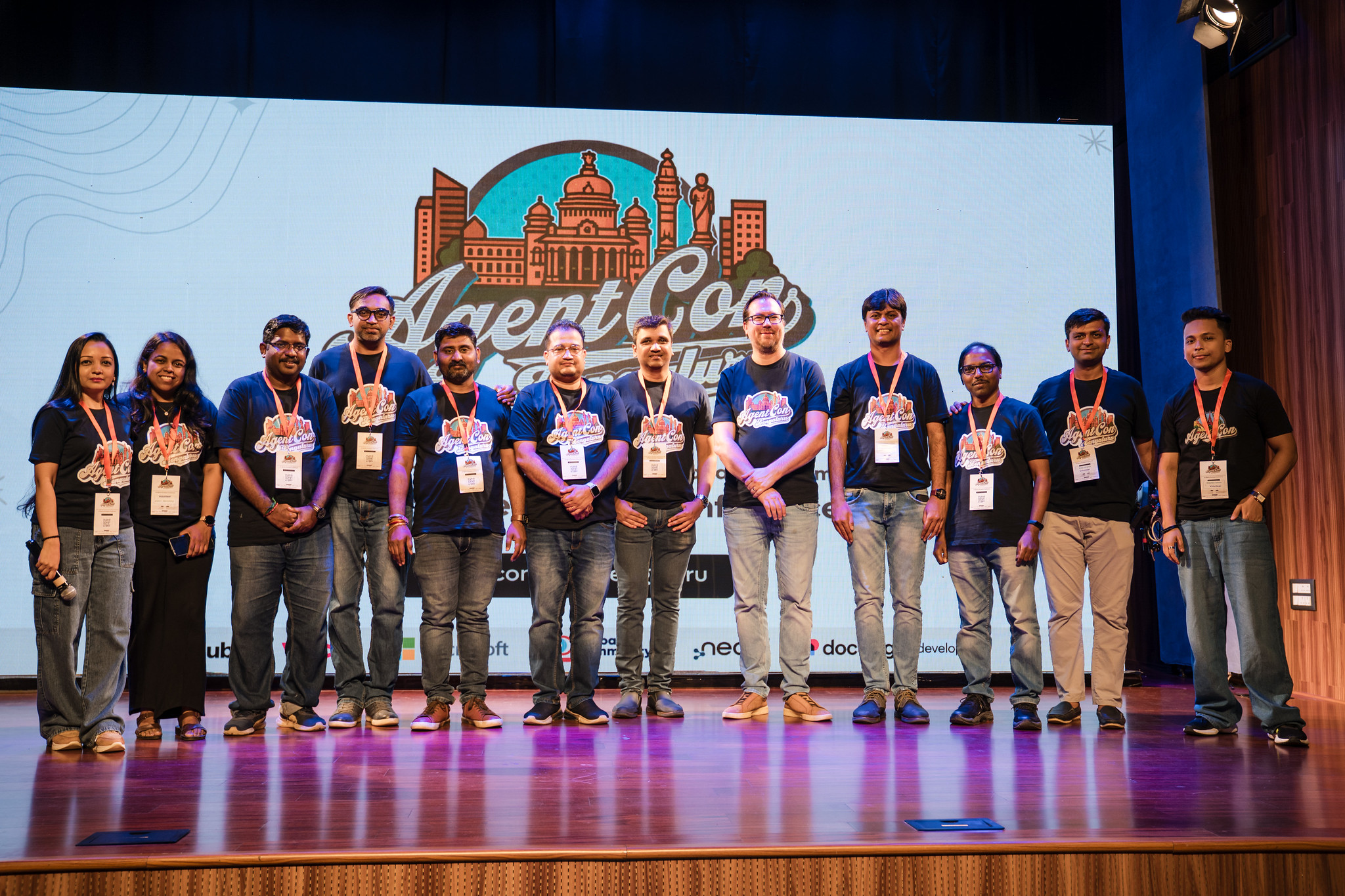
"Go where the developers are, and bring them in." That was the first thing I heard when I joined Azure Developer Relations.
It's the best advice in this field, and I've tried to live by it. Most people only remember the first half. Go where the developers are: be in their channels, at their meetups, in their cities. But developers are in Nairobi, Lima, Bengaluru, Utrecht, Tokyo, and a few thousand other places, and you can't personally be in all of them. Every developer relations conversation eventually runs into this wall and asks the same question: how do we scale? The usual answer is more content, more events, bigger events, more reach. The assumption underneath is that your voice is the product, and the job is to amplify it.
The answer was in the second half of Jeff's advice all along. Bring them in. After nine years of building the Global AI Community, from a single meetup in the Netherlands to more than 190 chapters and 210,000 members across 70+ countries, that's the conclusion I keep landing on. You don't scale by being everywhere developers are. You scale by bringing the people who are already there inside, and turning them from audience into owners. A global community is not an amplifier. It's an enablement machine.
Somewhere right now there's a developer in one of those cities who wants to bring the AI community together. They have the ambition and they know their local scene better than I ever will. What they don't have is everything else. The job of a global community is to supply the everything else.
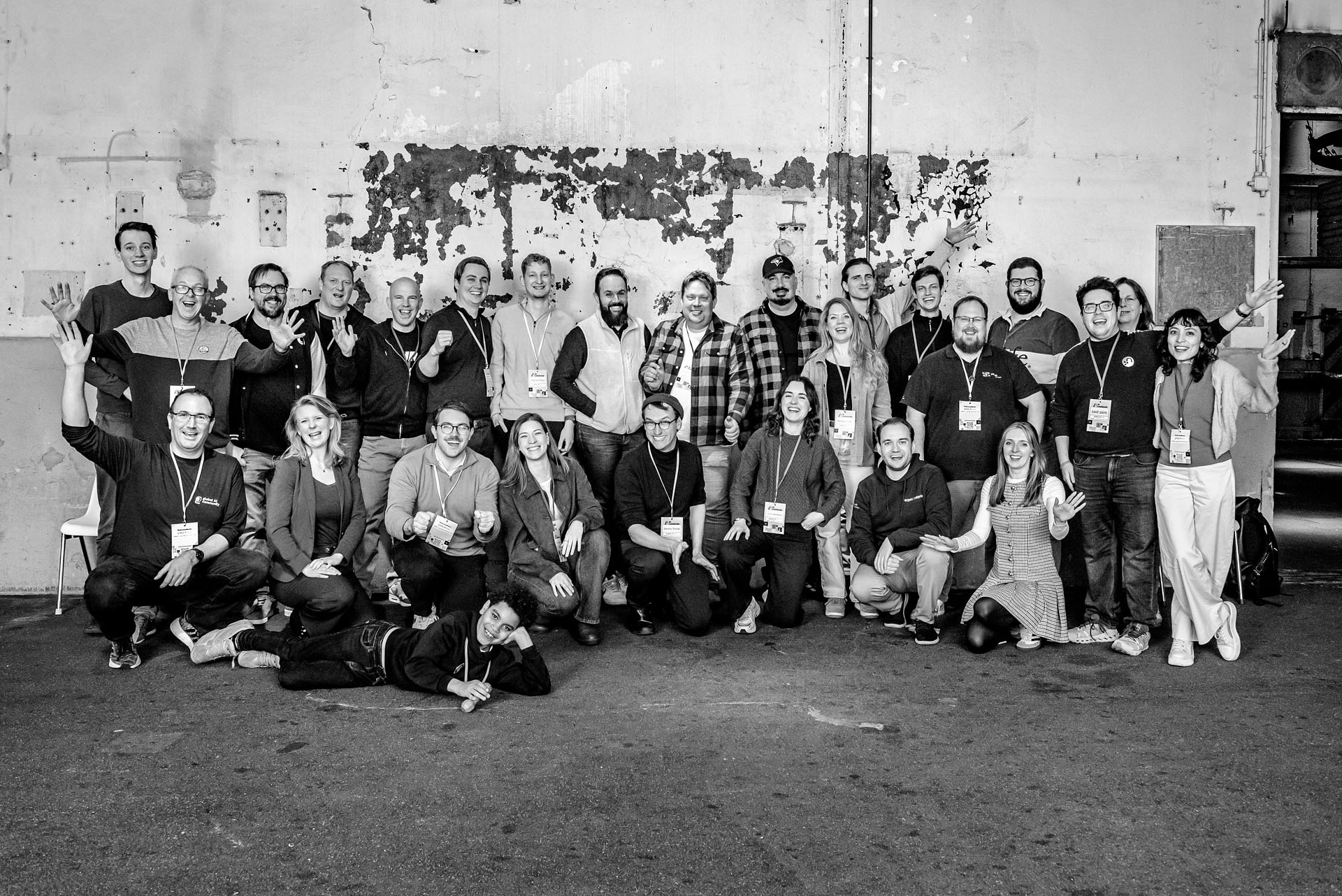
What people actually need
When someone raises their hand to organize, the gap between "I want to do this" and "there are 200 people in a room" is made of very concrete things. Over the years we've learned to break it down into six.
Skills. Most first-time organizers have never negotiated with a venue, briefed a speaker, or handled a difficult attendee. These are learnable skills, but nobody should have to learn them alone by failing in public. Playbooks, checklists, and a call with someone who has done it fifty times turn a terrifying first event into a manageable one.
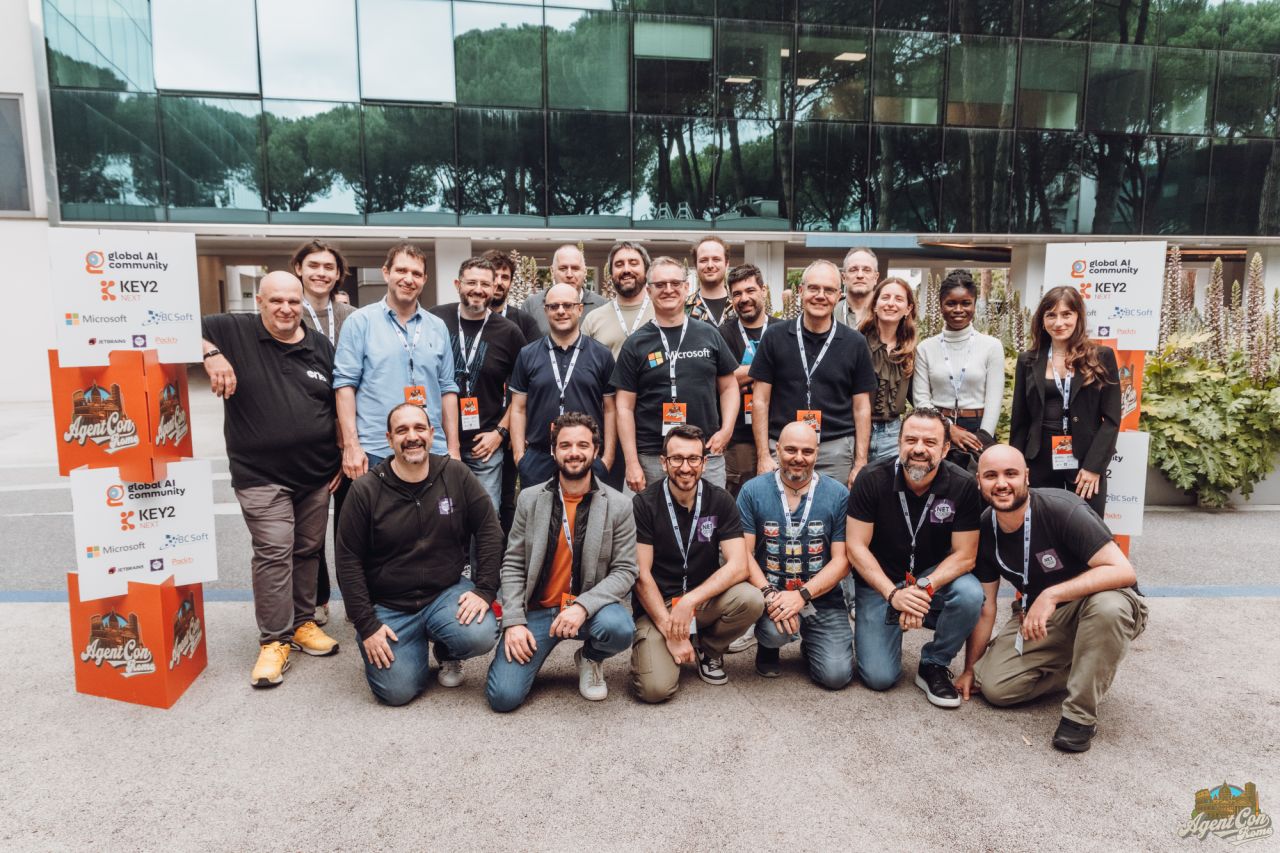
Help organizing. A world tour like AgentCon, now past 67 stops in 36 countries, doesn't work because 67 organizers each invented an event from scratch. It works because the format, the timeline, the registration flow, and the lessons from every previous stop are handed over on day one. The organizer spends their energy on what's unique to their city, not on reinventing name badges.
A platform. Event pages, registration, speaker management, communication with attendees. Boring infrastructure, until you don't have it. Giving every chapter the same platform means an organizer in Mukono launches with the same professional setup as one in Silicon Valley, on day one, at no cost.
Financial backing. Venues, catering, and printing cost money, and asking volunteers to front it themselves is how you end up with a community of only people who can afford to volunteer. Central sponsorship and a reimbursement system remove that filter. It also means unglamorous work: reviewing invoices, checking VAT rates across a dozen countries, and sometimes catching fraud. Nobody applauds that part. But financial enablement without financial controls collapses, and every shortcut spends trust that took years to build.
Content. Not every chapter has a bench of speakers ready to go. Shared session materials, hands-on workshop formats, and demos that are tested and ready to run mean a new chapter can deliver a genuinely good evening before it has built its own speaker network. Our hands-on agent-building format exists exactly for this: a repeatable evening where people build instead of watch.
Connections. This is the multiplier. The speaker who was great in Tokyo gets introduced to the organizer in Utrecht. The sponsor who backed one stop hears about the next three. The chapter lead stuck on a problem gets connected to the one who solved it last month. No single person is the network. The community is.
Why enablement beats amplification
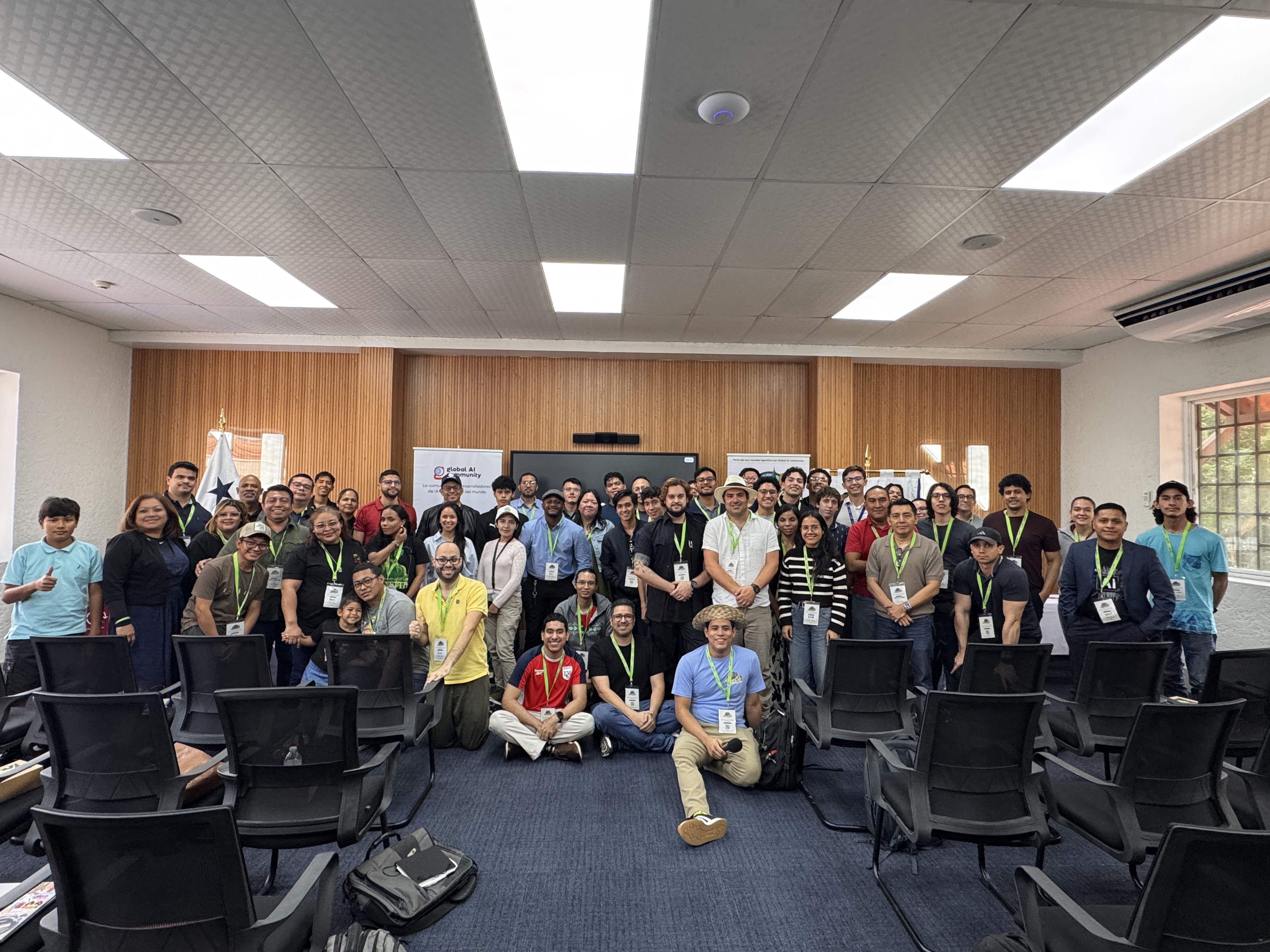
Here's the thing about this model: it produces authenticity as a side effect, at scale. The event in Lima sounds like Lima because the person on stage is from Lima. I didn't write their talk and I didn't approve their agenda. I just made sure they had a platform, a budget, a format, and people to call.
That only holds if the foundation is trustworthy. So a few things are non-negotiable and have been since 2017: vendor-neutral, so no sponsor buys the stage. Free events, so the audience is the community, not a lead list. Local ownership, so the organizer decides what their city needs. Enablement with strings attached isn't enablement. It's outsourced marketing, and developers smell it in seconds.
Amplify the organizers, not yourself
Earlier I said scaling is not about amplifying your own voice. That doesn't mean amplification is wrong. It means you point it the other way.
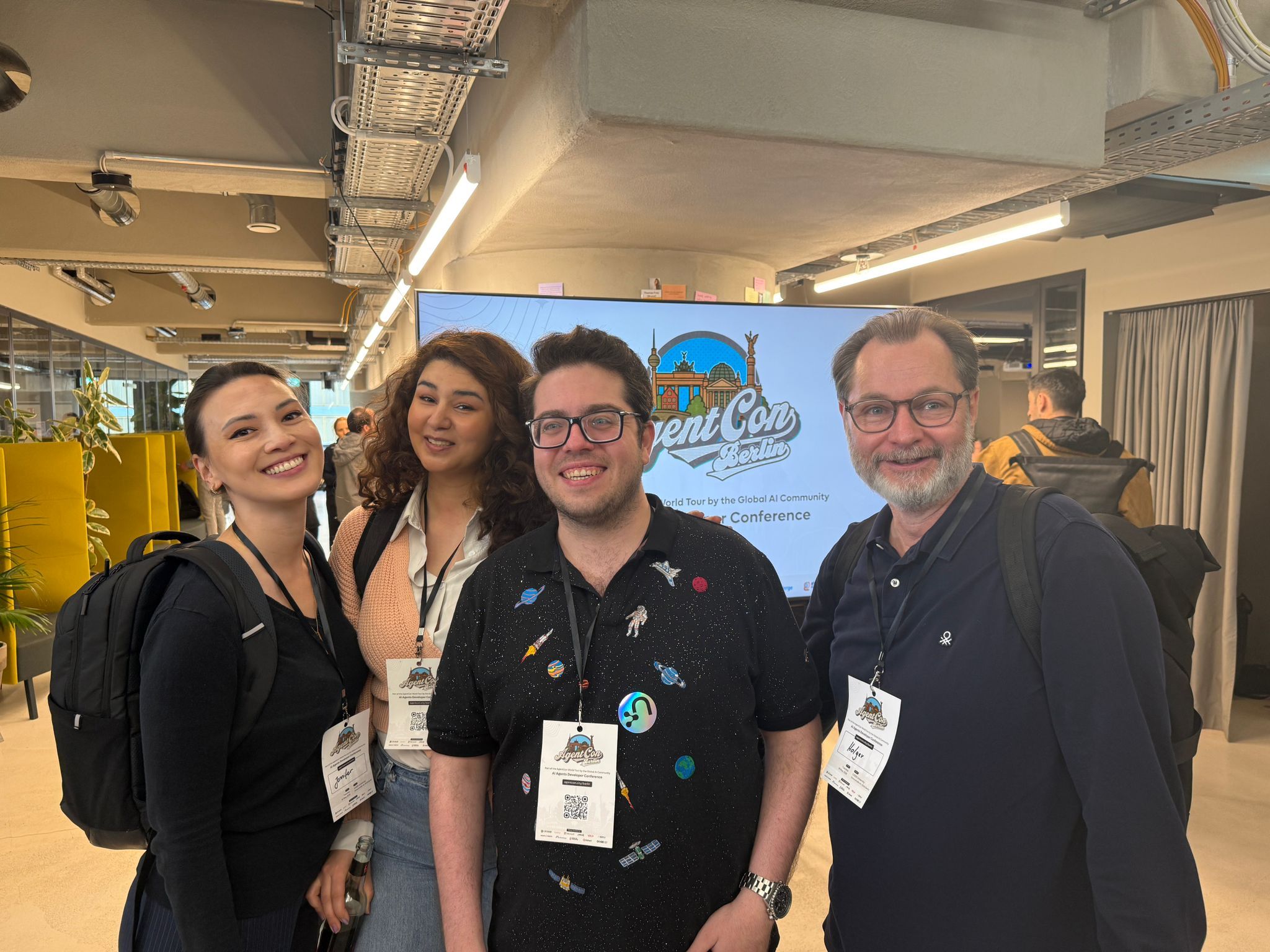
The people running chapter events on a Tuesday evening after their day job are the community. Rewarding that, visibly, is not a nice-to-have. It's part of the machine.
Recognition. Naming organizers publicly, one at a time, for specific things they did. Not a generic "thanks to all our volunteers" post, but this person, this event, this thing they pulled off. People who feel seen keep building, and the next potential organizer sees what stepping up leads to.
Digital badges. It sounds small until you realize what it does. A badge for organizing, speaking, or contributing is a portable, verifiable credential. It goes on a LinkedIn profile and a CV, and it turns invisible volunteer work into something an employer can see. Community work is professional experience. Badges make that legible.
Opportunities. This is the biggest reward we can offer, and it costs the foundation almost nothing. The organizer who ran a great local event gets a speaking slot at a bigger stop. The volunteer who wrote a solid workshop gets introduced to people they'd never otherwise meet. Careers have started this way. When people grow through the community, the community grows with them, and giving back stops being charity and starts being an investment in yourself.
Do this consistently and something interesting happens: you stop having to recruit organizers. They come to you.
If you're building one
If you're in DevRel or starting a community and you want it to grow without becoming hollow, my honest advice is to stop asking "how do I reach more people" and start asking "what does the next organizer need that they don't have."
Then build exactly that: the skills, the organizing help, the platform, the money, the content, the connections. Reward the people who step up with recognition, badges, and real opportunities. Write down your non-negotiables while they're cheap to defend. Do the boring governance. Measure who came back and who stepped up, not who clicked.
Nine years in, I still give talks and I still write. But the Global AI Community is not my voice amplified. It's a few hundred people, enabled, using their own. Jeff's advice still holds: go where the developers are, and bring them in. Bringing them in just turned out to mean handing them the keys. That's the only kind of scale that lasts.