Staying Human Is a Decision
I build AI agents for a living and still cook badly on purpose. One question decides what I automate: is the output the point, or is the doing the point?
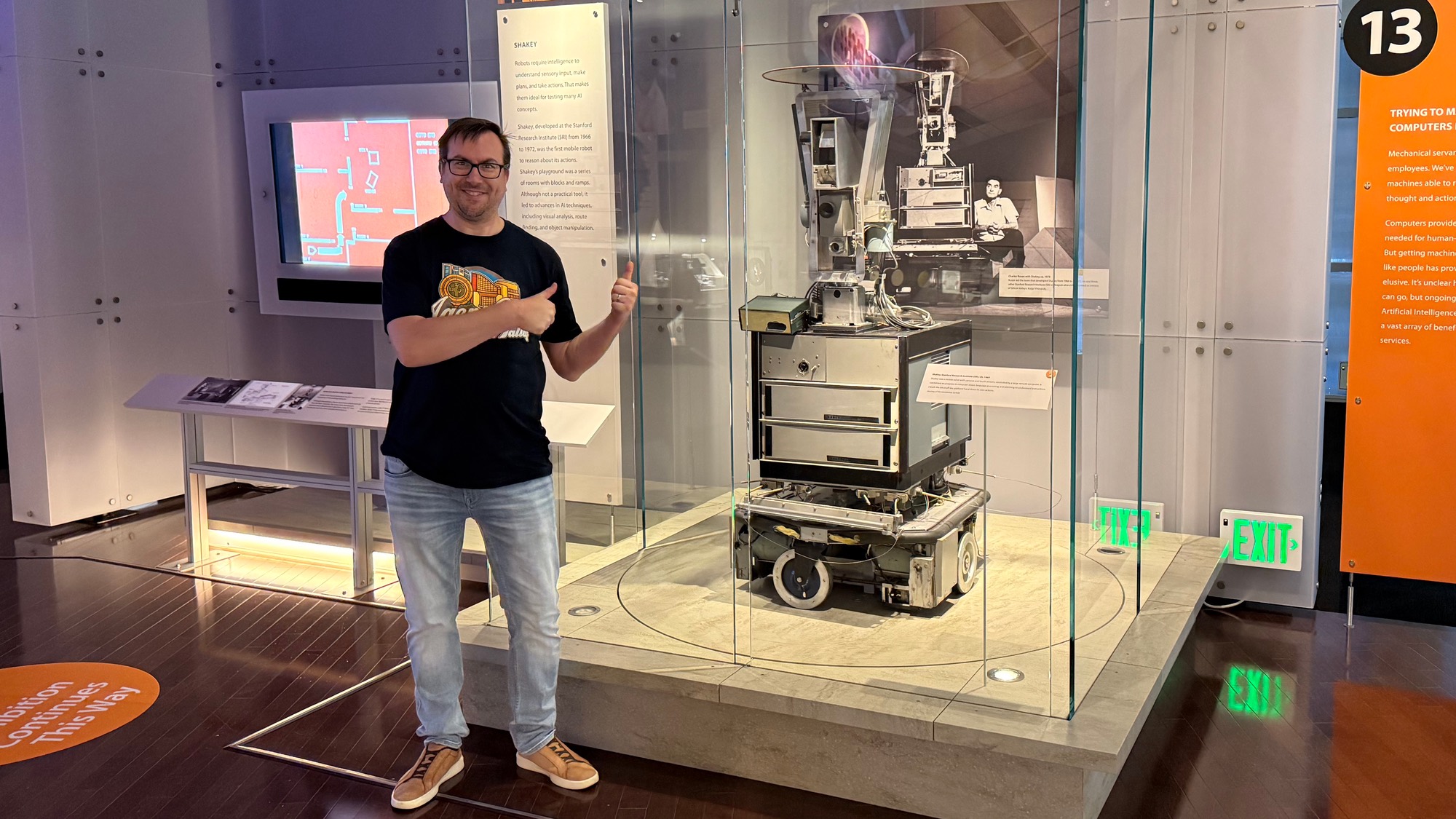
I build AI agents for a living. An agent checks my packing list so I never forget a jacket again. An agent manages my travel schedule. An agent reads the documentation so I don't have to. An agent writes the first version of my demos and fixes what breaks. If anyone should have automated their whole life by now, it's me.
And yet I spend my weekends cooking dishes that take hours, when ordering would take minutes. I fly around the world to stand in rooms with developers, when every piece of information in my talks is available for free in any chat window. By the logic of efficiency, most of what I love makes no sense.
People keep asking me, at conferences and after talks: how do we stay human in the time of AI? I've thought about it a lot, and my answer has become simple.
The wrong answer
The wrong answer is resistance. Use less AI, protect your tasks, keep doing things the slow way on principle. I understand the feeling, but it doesn't work, and deep down we know it. The calculator didn't make us less human. Neither did the washing machine, the search engine, or the navigation system that replaced the paper map. Every generation has a moment where it points at a new tool and says: this one, this one will take our humanity. It never does. But it does change something, and pretending otherwise doesn't help either.
The question that actually helps
Here's the question I ask myself before automating anything: is the output the point, or is the doing the point?
My packing list: the output is the point. I don't enjoy remembering jackets. Nobody's humanity lives in a packing list. Automate it, gladly.
Cooking on a Sunday: the doing is the point. And look closely, because the test works even inside one activity. An agent plans my menu and makes my shopping list, so the shopping is fast and nothing is forgotten. That part is output, automate it. But the cooking itself stays mine. The chopping, the tasting, the kitchen slowly filling with smells, my family drifting in to ask when it's ready. If I automate that, I don't have a more efficient Sunday. I have no Sunday.
The same test works everywhere. First draft of a demo: output. The moment on stage where someone asks a hard question and I answer from experience: doing. Reading documentation: output. Sitting next to someone at a meetup who is stuck on the same problem as you: doing.
Automate the task. Never the point.
What the last year taught me
This isn't theory for me. This year I watched it happen at scale.
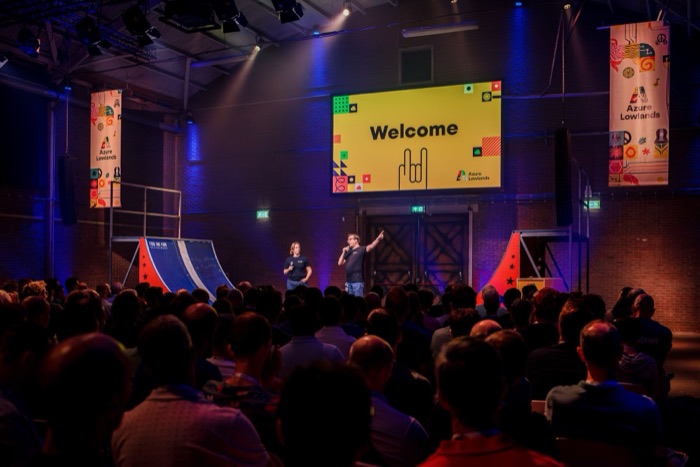
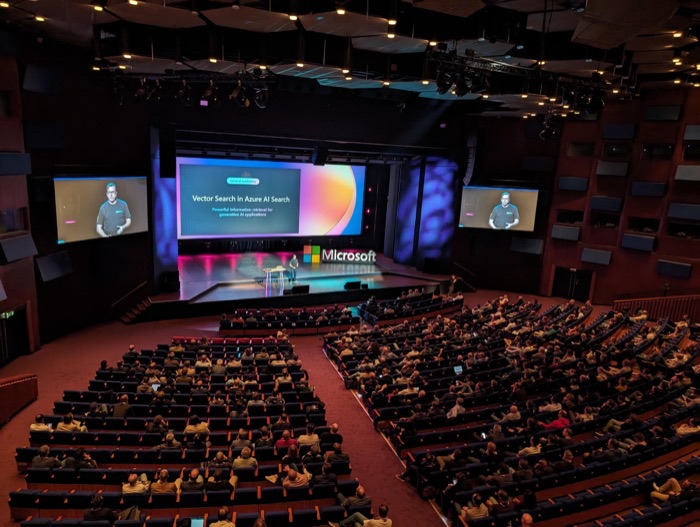
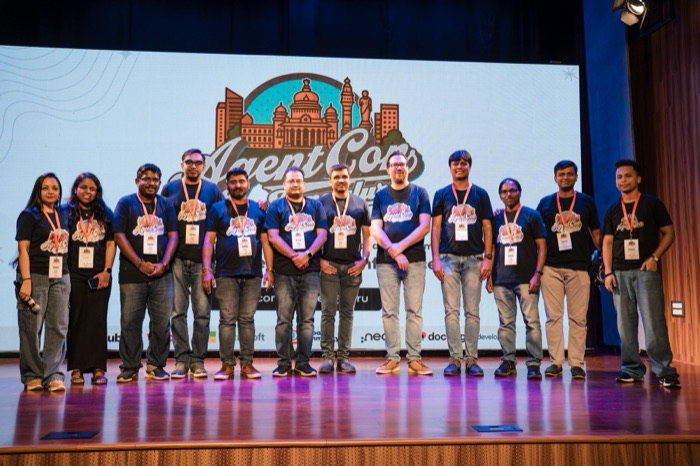
We ran a world tour of free AI conferences, more than 67 stops in 36 countries. Every person in every one of those rooms could have stayed home. Every talk, every answer, every tutorial exists online, free, instant, and often better explained by a model than by a tired speaker after lunch.
They came anyway. Rooms full, on the hottest day of the year in the Netherlands, in New York, in Mukono, in Bengaluru. And I noticed what they came for. Not the information. They came to build something next to someone. To ask the speaker the question behind the question. To find out they're not the only one who has no idea what they're doing sometimes.
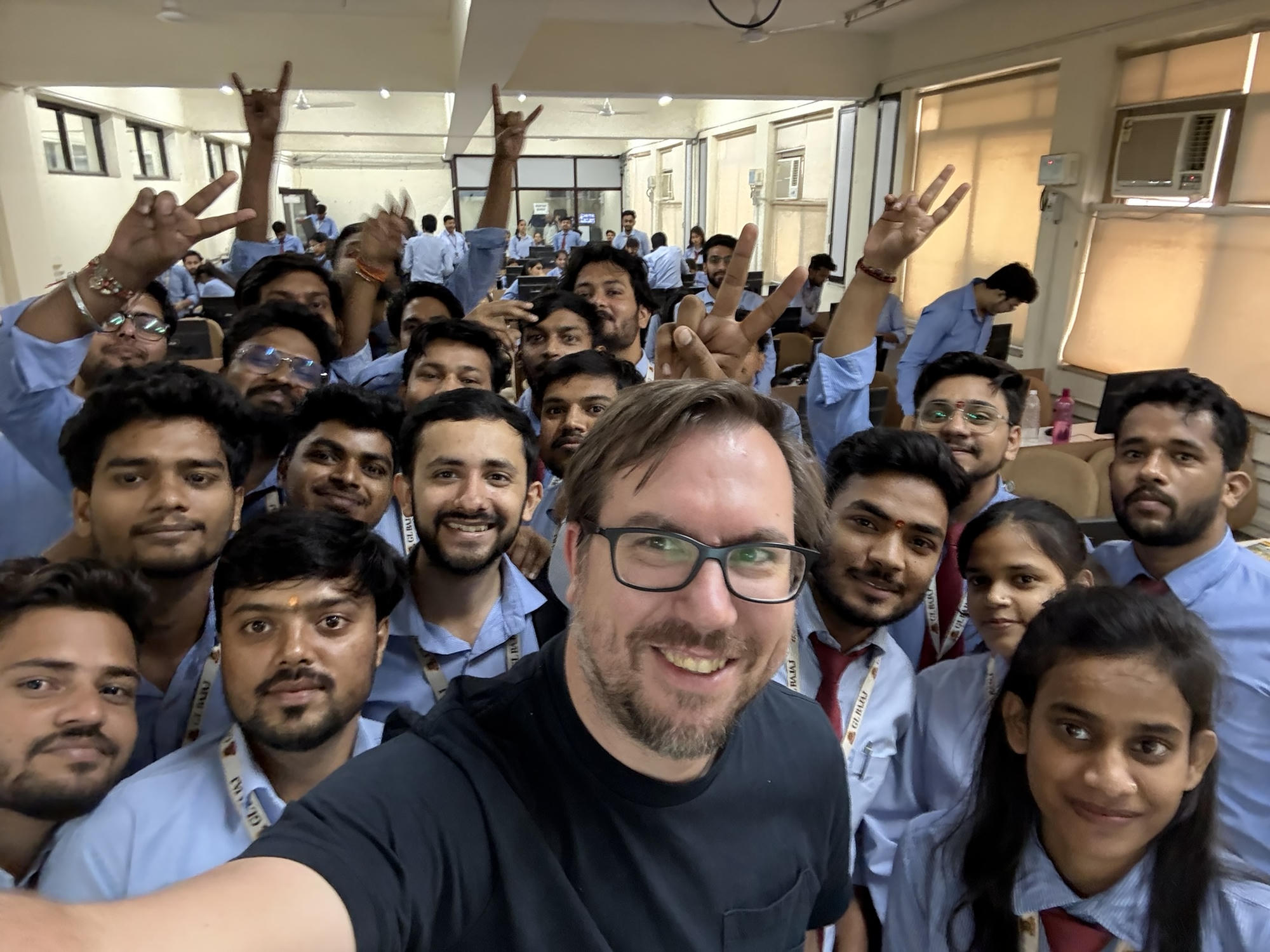
The more answers became free, the more the rooms filled up.
I didn't expect that, and I've stopped being surprised by it. When machines take over the output, people go looking for the doing.
The part I refuse to hand over
So here's my personal list, and I keep it consciously, the way you'd keep any other commitment.
I cook. Badly sometimes, slowly always, on purpose.
I show up in rooms. Not because my information is better than the model's. It isn't. But I can do something the model can't: I can be there.
I keep making things I don't need to make. Photos nobody asked for. Demos that solve problems only I have. The making is the point.
And I let the agents do everything else, without guilt. Every task they take is time that goes to the list above. That's the deal, and it's a good one. The people who worry me are not the ones who use AI too much. It's the ones who never decided what their list is, and automate their way through it without noticing.
My honest answer
So when people ask me how we stay human in the time of AI, this is my honest answer: nobody takes your humanity. But you can hand it over, one convenient automation at a time, if you never stop to ask what the point was.
Know why you do things. Automate everything where the answer is "for the output." Protect everything where the answer is "for the doing." Machines are getting very good at answers.
The doing is still ours.
Pass it on
Share this article
Read next