Think Big. Start Small. Grow Fast. How to Organize Your First Meetup.
Almost everyone who wants to start a meetup waits too long, because they think it needs to be big to count. It doesn't. Here is everything I wish someone had told me before that first evening in 2017.
Audio version
Listen to this article
Narrated by Microsoft Foundry.
In 2017 I organized my first meetup. It was called Azure Thursday, and it started inside Ordina, my employer at the time, with a few people joining after hours. Today that has grown into the Global AI Community: 190+ chapters and 210,000 members in 70+ countries.
I'm not telling you this to impress you. I'm telling you because the first one was small, and it was supposed to be small. Almost everyone who wants to start a meetup waits too long, because they think it needs to be big to count. It doesn't. Here is everything I wish someone had told me before that first evening.
Start small. Your office counts.
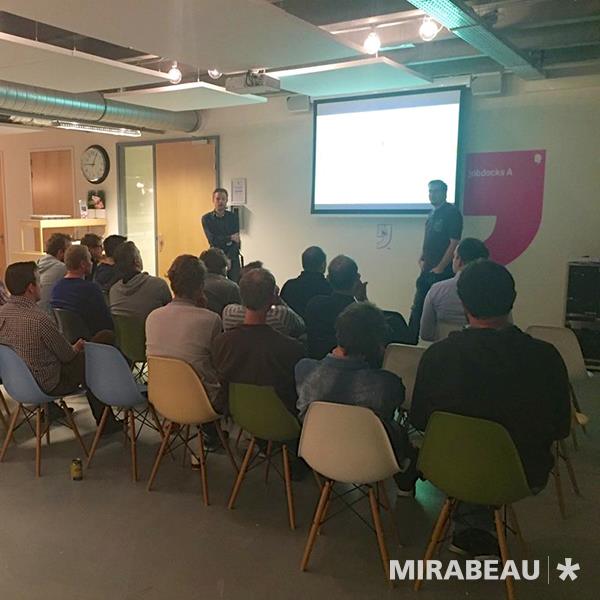
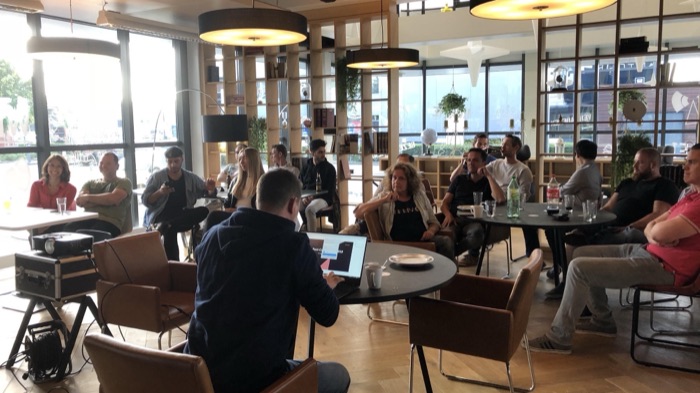
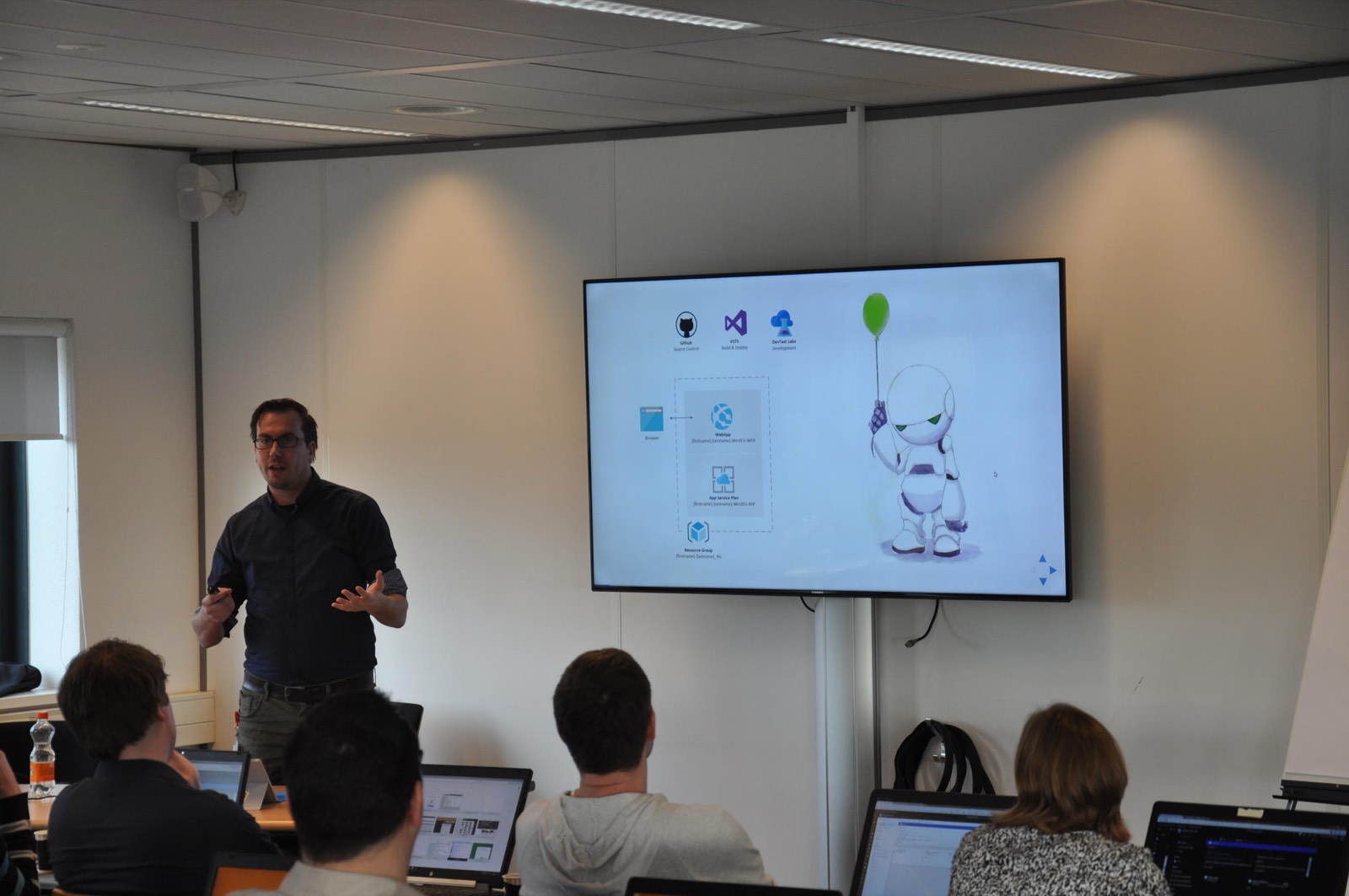
You don't need a venue, a budget, or a brand. You need a room, a topic, and a date. The meeting room at your company is a perfectly good place to start, and most employers are happy to host: it costs them nothing and it makes them look good. Azure Thursday started exactly like that: a room at Ordina, a few people after work hours.
Twenty people in a small room feels full. The same twenty people in a big venue feels like a failure. Book the small room.
Think big, start small, grow fast
This motto is older than the community. One of my first presentations ever, at a Dutch Umbraco User Group meetup, was about CI/CD with Bamboo and Jira, and it was titled exactly this: Think Big. Start Small. Grow Fast. Back then it was about shipping software. It turned out to work for everything else too, and every word carries weight.
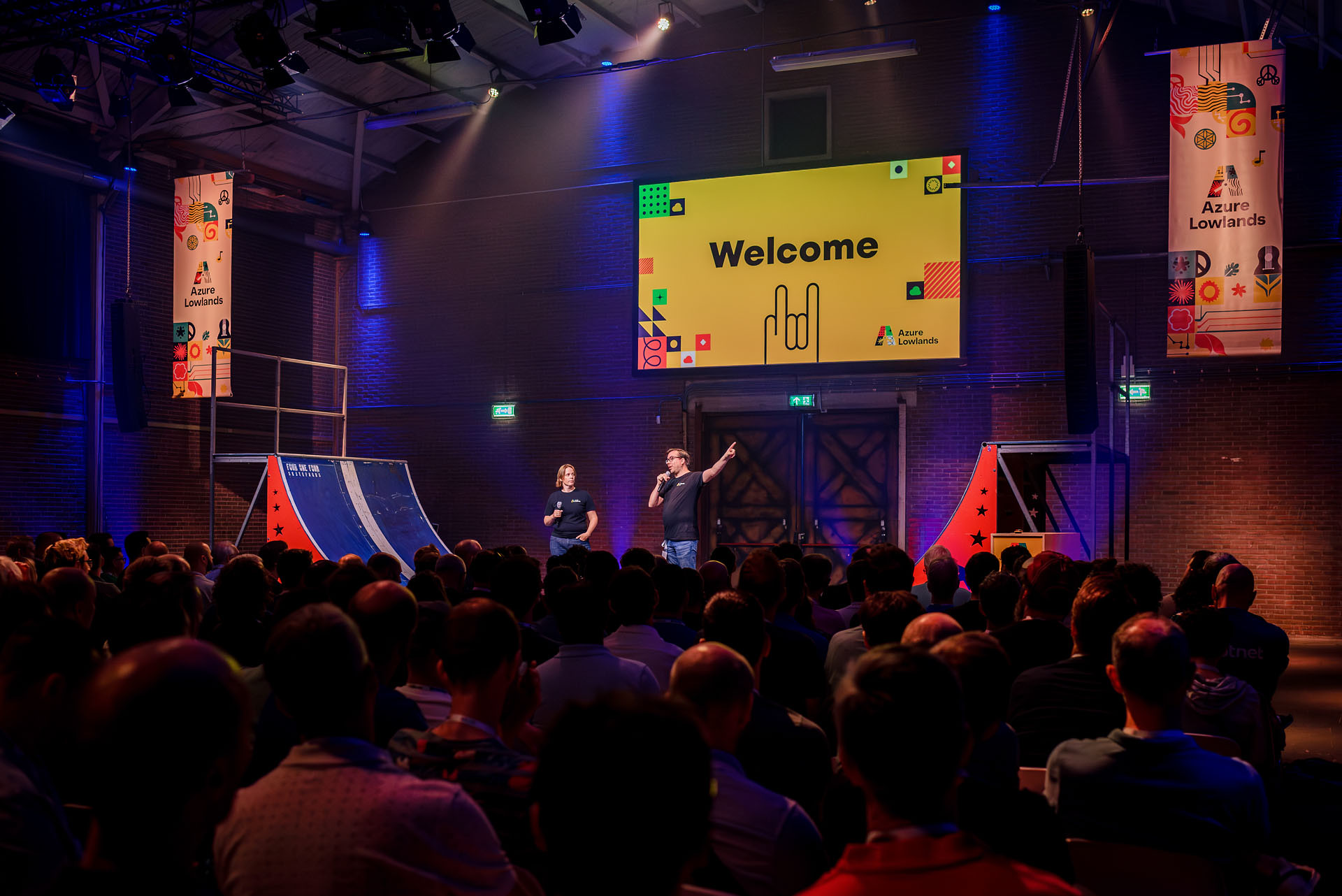
Think big: know where this could go. A monthly meetup can become a conference. I've watched it happen twice from close by. The Umbraco user group where I gave that talk grew into DUUGFest, a yearly conference. And Azure Thursday grew into Azure Lowlands. Having that picture in your head changes small decisions early on.
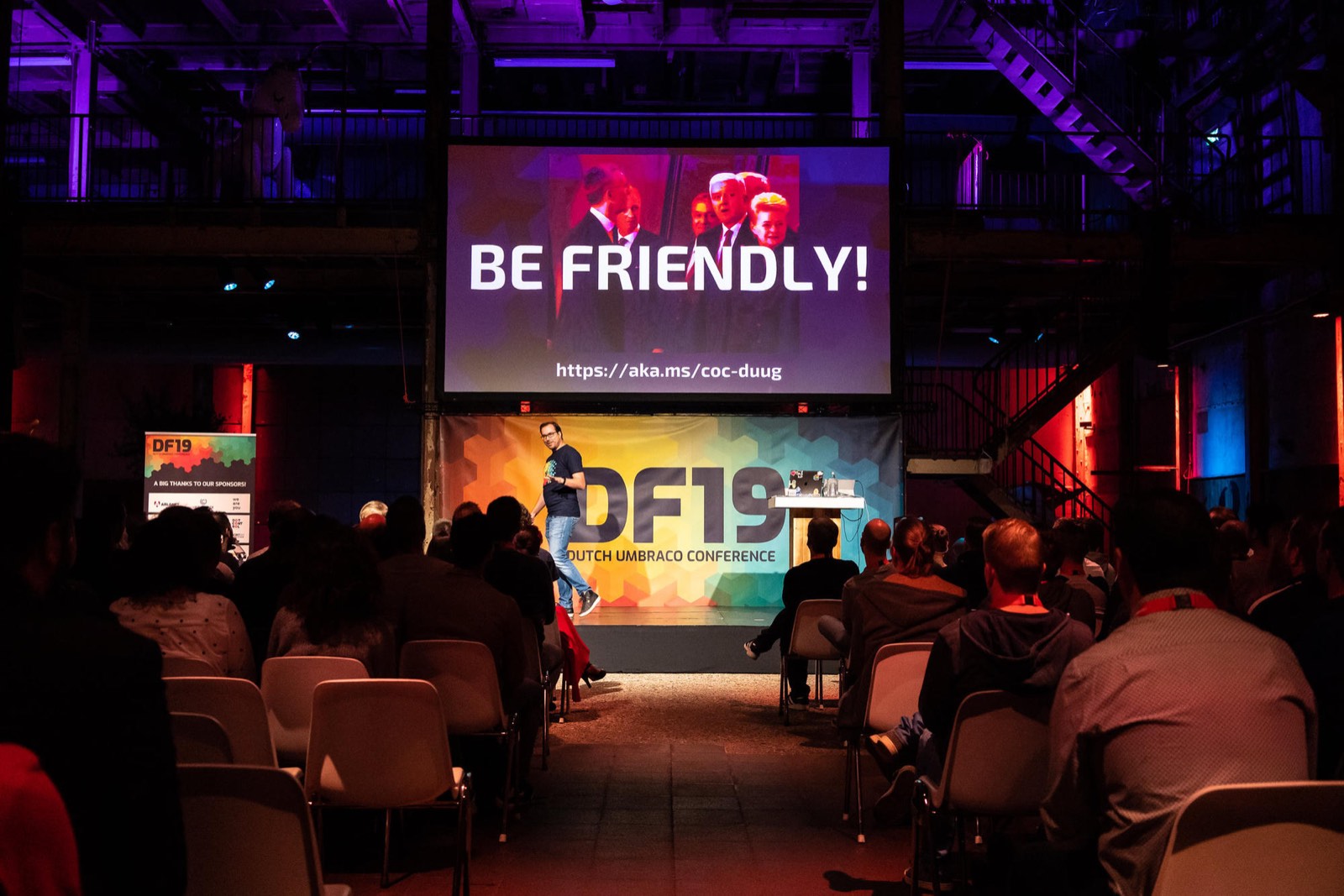
Start small: do the first one this month, not "when everything is ready." Everything is never ready.
Grow fast: when it works, don't sit on it. Add a second speaker slot. Say yes to the bigger room. Momentum is easier to keep than to restart.
Be consistent
The single biggest difference between meetups that live and meetups that die is not quality. It's rhythm.
Azure Thursday had the rhythm in its name: every first Thursday of the month. People didn't have to check a website or wait for an announcement. They knew. That predictability did more for attendance than any promotion we ever did.
Same week of the month, every month. People plan around things that are predictable. Skip two months and you're starting over, because attention resets much faster than you think. A simple evening that happens every month beats a spectacular evening that happens twice a year.
Don't expect people to show up
Hard truth: for a free event, about half of the people who register will come. This is normal. It is not about you, your topic, or your speaker. It's just how free registration works.
So plan for it. If the room fits thirty, let sixty register. Send a reminder the day before and another one that morning. And if thirty people register for your first meetup and fifteen show up, understand that this is a good result, not a bad one. Fifteen people gave you their evening. Take care of them and they'll bring others.
Nobody knows your speaker. That's fine.
We over-hype names. I see new organizers chase well-known speakers because they think the name will fill the room. It won't, for a simple reason: outside our bubble, almost nobody knows any speaker.
A meetup is about topics. "Building your first AI agent" fills a room. A name most attendees have to look up does not. Pick topics people are curious about right now, and give the stage to local people who actually built something. Bonus: that's how new speakers are made, and your future speakers are sitting in your audience tonight.
Food and drinks: find a sponsor, keep it simple
Pizza and drinks turn a presentation into an evening. People stay, talk, and come back for the people as much as the content.
You don't have to pay for this yourself, and you shouldn't. Local companies sponsor food for something as simple as a thank you and a small sign on the table. They get to meet developers, you get pizza. Everyone wins. One rule: a food sponsor buys pizza, not the agenda. The stage is not for sale, even for a very good pizza.
Your content, your voice
There are plenty of pre-packed event formats out there, complete with slides and demos. They're useful. Use them the right way: as inspiration, not as a script.
An evening where you deliver someone else's deck word for word feels like exactly that. Take the material, add your own experience, your own examples, your own opinion. Your meetup should sound like you and like your city. That's the whole reason people leave their house instead of watching a video.
And then there's the paid version of this, which is worse. At some point a company will offer you a few hundred euros to present their slides at your meetup. It sounds like easy money for a small community. Don't do it.
Here's what actually happens. You stand on your own stage, presenting a deck you didn't make, about a product you haven't really used. Then someone in the audience asks a real question, and you have no depth to answer it, because it was never your story. Your audience sees it immediately. They came for your community and got someone else's commercial, read out loud by you.
That trust does not come back for a few hundred euros. You are not for sale, and the moment your audience thinks you are, you have nothing left to sell anyway.
The healthy version does exist, and the difference is simple. A good sponsor enables you to share your own experience. They give you the budget, the venue, the pizza, sometimes access to their product so you can actually build with it. And then you get on stage and tell the room what you really found: what worked, what didn't, what you would use it for. Your words, your experience, your opinion. Sponsors who understand community are happy with exactly that, because an honest story from someone the room trusts is worth more than any deck they could write.
One more nuance: a company sending their own experts to speak is great. The engineer who actually built the product, answering hard questions about it on your stage, is real content and your audience will love it. That's not a commercial, that's depth you couldn't offer otherwise. The line is not "no companies on stage." The line is: whoever is on stage must be able to answer the second question. Their engineer can. You, with their deck, cannot.
The sponsors who insist on their own slides read by you are not sponsoring your community. They're renting it. Let them rent a conference room somewhere else.
Choose a platform you own
Where do people register? Think about this early, because moving a community later is painful.
We used a well-known meetup platform for seven years. It worked, until the platform's choices no longer matched ours. Prices change, features change, rules change, and your member list is your community's most valuable thing. So pick a place where you own your data and can leave if you must. Platforms come and go. Your community shouldn't go with them.
Don't do it alone
You can do all of this by yourself for a while. It will not last, and I mean that as a warning, not a challenge.
Find co-organizers, and find them early. One person booking the room, chasing the speaker, ordering the pizza, running the registration, opening the evening, and cleaning up afterwards works for three months. Then life happens: a busy period at work, a sick child, a holiday, and the meetup skips a month. Then two. Remember what I said about rhythm being the thing that keeps a meetup alive? This is how the rhythm breaks. Not from lack of interest, but from one exhausted organizer.
Two or three people is enough. It also makes the evening better: while one person is on stage, another is at the door. And when you eventually move on, the meetup doesn't move on with you.
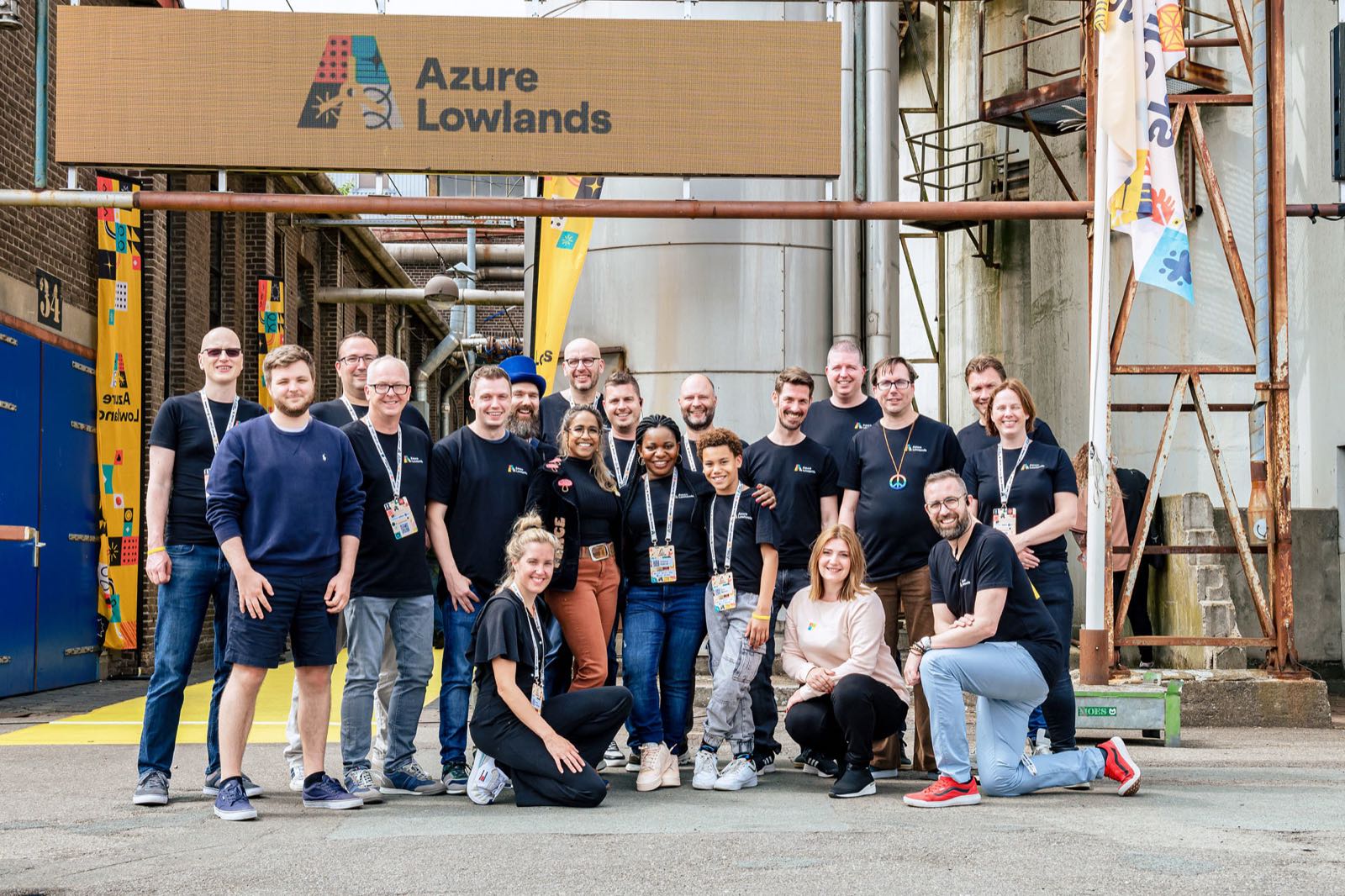
Then connect your meetup to the Global AI Community, and you're part of something larger from day one: a platform, content to build on, other organizers who already solved the problem you're stuck on, and a stage that can grow with you, from your office meeting room to an AgentCon.
That's the whole model, and it's why we exist. Everything I wrote in this series about enablement, about building speakers, about rewarding organizers: it starts with someone deciding to book a small room.
Think big. Start small. Grow fast. And send me a photo of your first meetup, I mean it.
Pass it on
Share this article
Read next