Volunteers Don't Quit. They Fade.
Volunteer burnout rarely comes with a goodbye. How to spot the quiet signs, make stepping back normal, and build a community that gives back more than it takes.
Every community builder knows this pattern, even if nobody talks about it.
There's an organizer who is everywhere. First to reply, first to volunteer, the chapter that never skips a month. Then the replies get a little slower. An event report is shorter than usual. One month is skipped, "busy at work." Then another. Then a polite message that they need a break, or no message at all.
There's no goodbye, no conflict, no moment you can point at. Volunteers almost never quit. They fade. And by the time you notice, they're already gone.
After nine years of running a community built on volunteers, I've learned that this is the most expensive loss a community can have, and the easiest one to miss. So this post is about the uncomfortable side of everything I've written in this series.
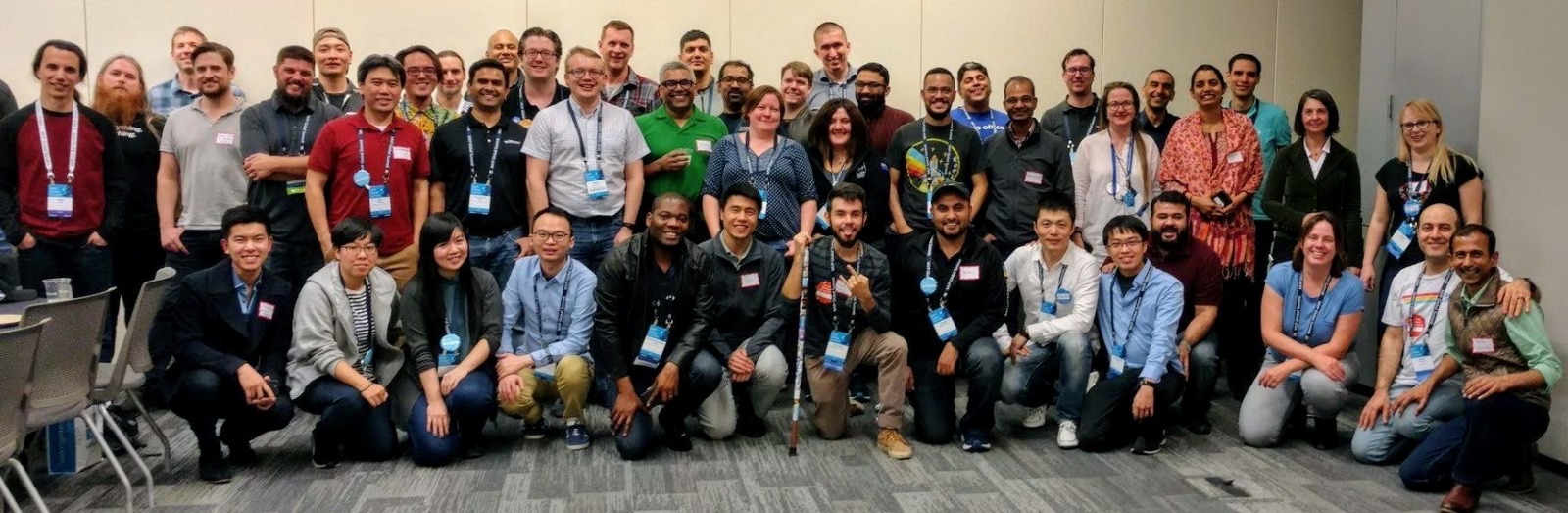
The dark side of enablement
I've argued that a global community is an enablement machine: give people skills, a platform, money, content, connections, and reward them with recognition and opportunities. I still believe that. But there's a side of it I should be honest about.
The best organizers say yes to everything. That's what makes them the best. Another event, another speaker to coach, another sponsor call, another favor for a neighboring chapter. And a community that keeps offering opportunities to the people who never say no will, without meaning to, slowly use them up.
All of this happens in the evenings, after a full day of work, often with a family waiting. Nobody plans to burn out a volunteer. It happens one reasonable request at a time. Enablement without limits quietly turns into taking more than you give.
The signs are small
Burnout in volunteers rarely looks dramatic. It looks like things you'd easily explain away:
Replies that used to take an hour now take a week. The rhythm breaks: the chapter that always ran on the first Thursday starts skipping. Event reports get shorter and flatter. Someone who used to suggest new ideas now only answers questions. Someone ends up doing everything alone, because asking for help felt like more work than doing it. And the most common sign of all: "it's fine."
None of these mean much on their own. Together, they're a story. The question is whether anyone is reading it. And when you do read it, don't wait for them to bring it up. They won't. Say what you see, kindly, and offer the pause before they have to ask for it.
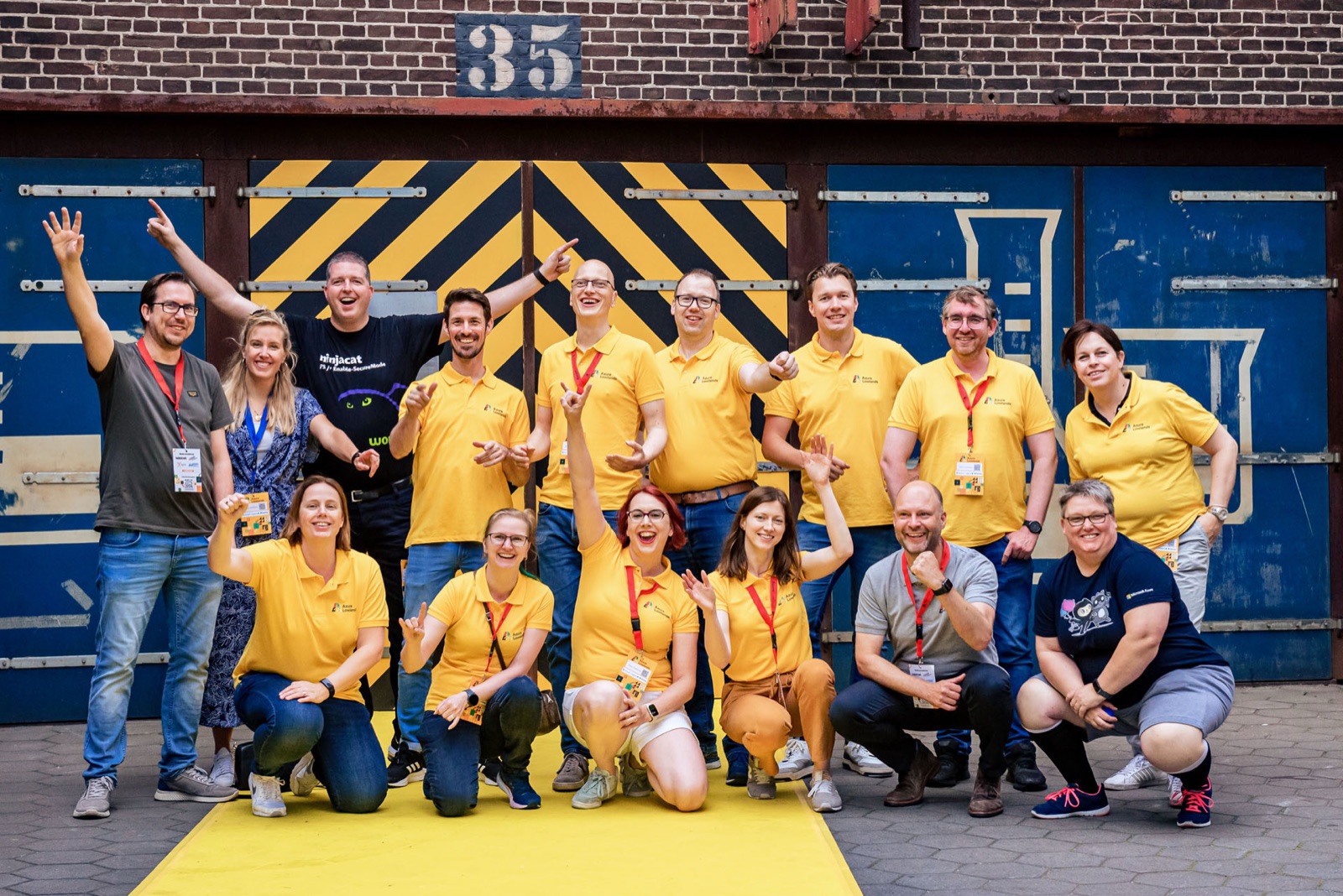
What a community owes its volunteers
Here's what I've come to believe a community owes the people who carry it.
Make stepping back normal. The worst thing a tired volunteer can feel is that pausing means failing. So build a pause button. A chapter can go quiet for a few months, a lead can hand over for a season, and nobody treats it as a loss. People who can step back safely tend to come back. People who can only quit, quit.
Never let one person carry a chapter. I wrote in my meetup post that doing everything alone will not last, and this is why. Co-organizers are not a nice-to-have. They're how a community survives the busy quarter, the new baby, the job change. A chapter with one organizer is one bad month away from disappearing.
Take the boring work off their plate. Every hour a volunteer spends chasing a reimbursement, fighting a registration tool, or filling in forms is an hour taken from the part they actually love. Fast reimbursements, a platform that works, templates that save time: that's not administration. That's care, in its least glamorous form.
Ask how they are, not only what's next. Most messages to volunteers are requests. When is the next event, can you host this speaker, can you fill in this survey. Sometimes the right message is just: how are you doing with all this? You'll be surprised how often that's the first time anyone asked.
Say thank you when they leave. People move on. New job, new city, new life. Let them go well. Thank them publicly, keep the door open, and treat them as alumni, not as people who left. The way you treat people on their way out is what everyone still inside is watching.
A note to myself
I'll be honest: I'm writing this partly as a reminder to myself. Community builders are volunteers too, and the people who start things are often the worst at noticing when they're running on empty. The same rules apply at every level, including the top.
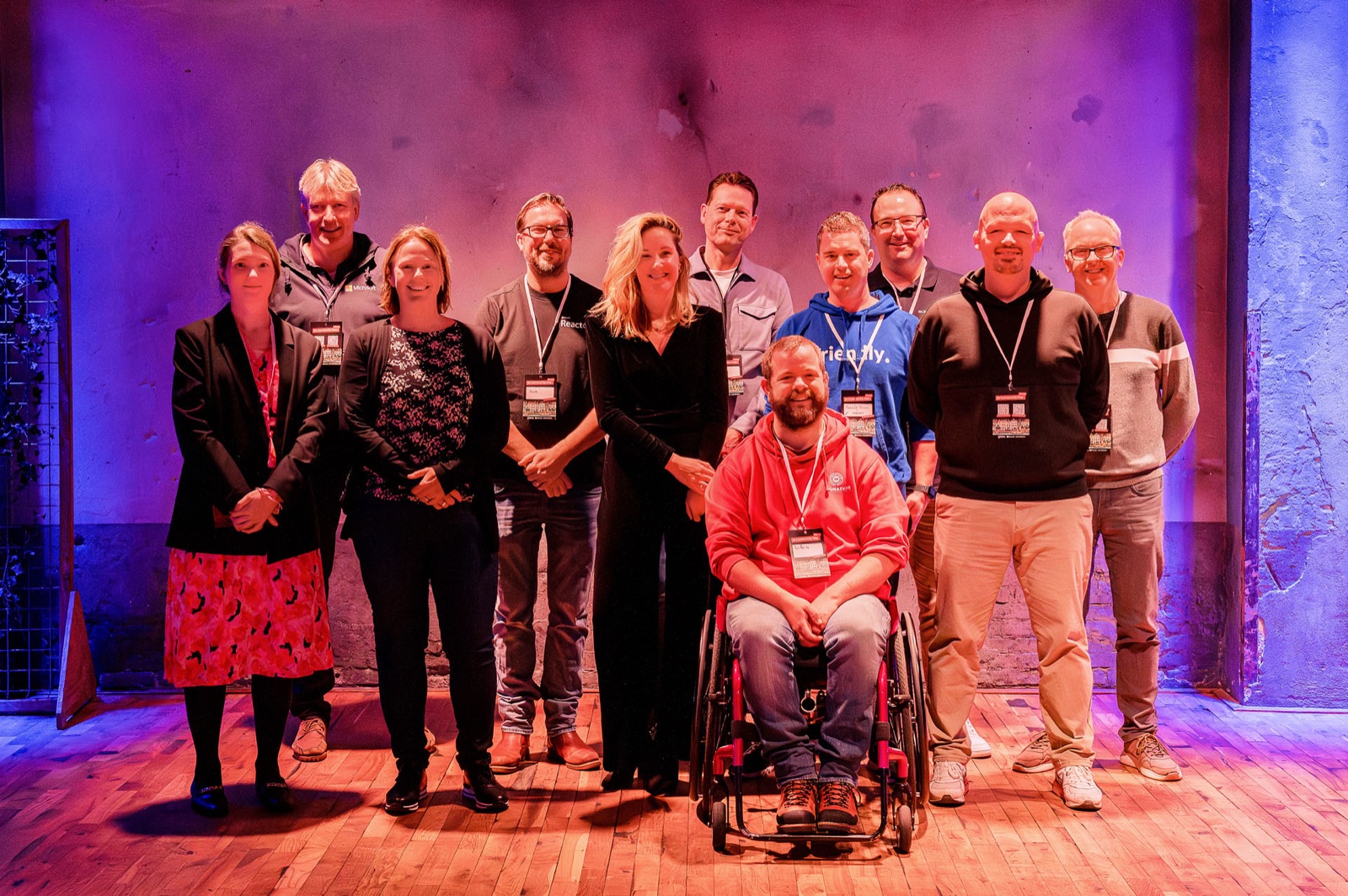
The real measure
We like to measure communities by what they produce: events, members, stops on a world tour. Those numbers matter. But there's a quieter measure that tells you more.
Do people leave your community better off than they arrived? With new skills, new friends, a first talk, a stronger career, and energy left over. Or do they leave tired, a little bitter, and quietly done?
A community that grows by using people up isn't growing. It's spending. The healthy ones give back more than they take, and they notice when someone is fading, before that person notices it themselves.
So look at your organizers this week. Not at their numbers. At them.
Pass it on
Share this article
Read next