Not Everyone Learns the Same. Five Tips for an Inclusive Meetup.
Not everyone learns the same way, so why do we design meetups as if they do? Five things that build a room where different people can take part.
Audio version
Listen to this article
Narrated by Microsoft Foundry.
Most advice about inclusive meetups starts with a checklist. I want to start somewhere else: with a step back.
Look at any meetup room and really see who's in it. Someone who learns by listening, next to someone who only learns by doing. Someone who thinks out loud, next to someone who needs a quiet moment before they say anything. Someone who asks questions freely, next to someone who has been told their whole life that their questions are too basic. Someone who walks in knowing five people, next to someone who spent twenty minutes in the parking lot deciding whether to come in at all.
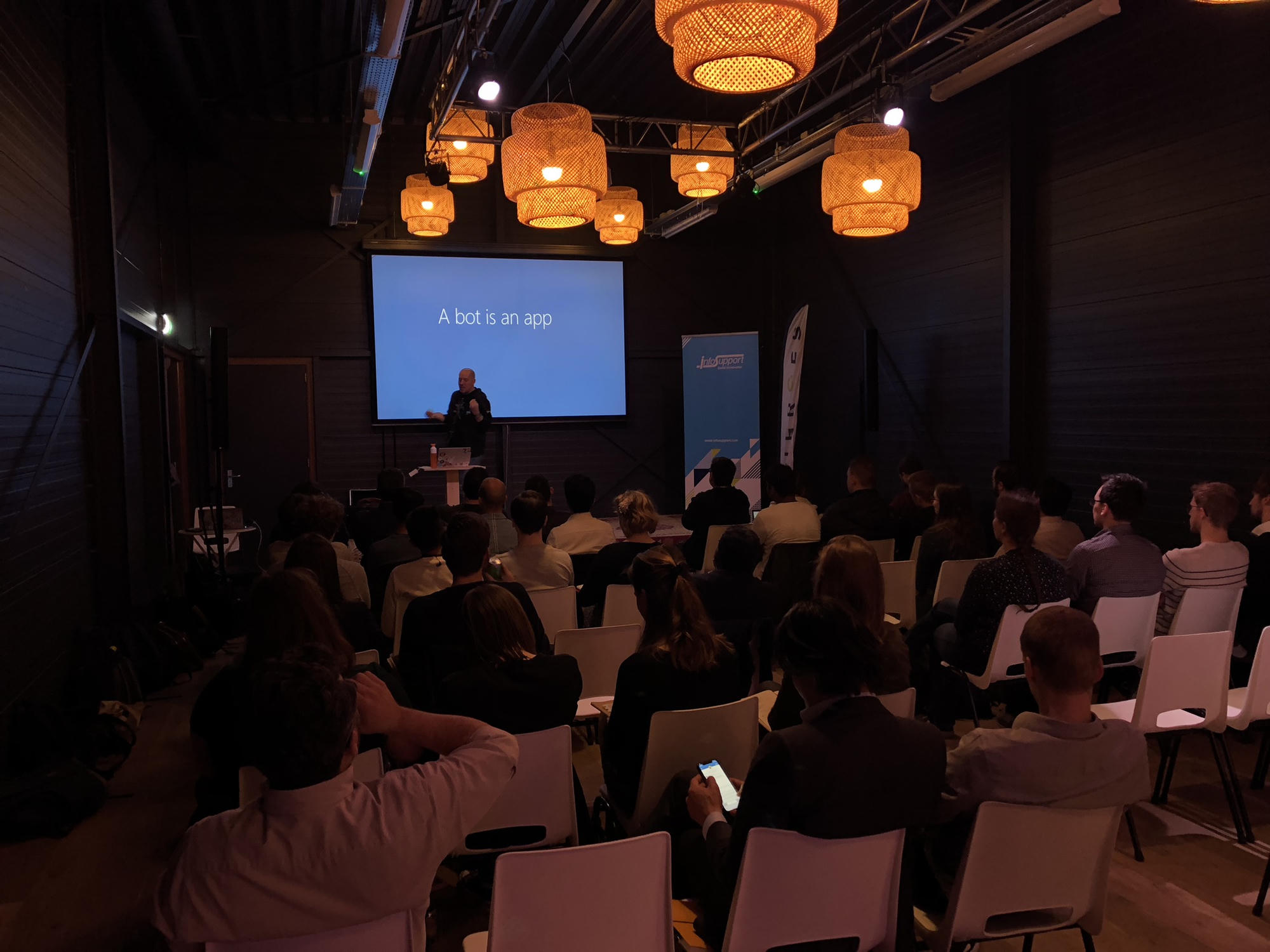
Now look at how most meetups are designed: one format, one pace, one way to participate. A talk, a Q&A, a drink. It works perfectly for one type of person, and we quietly assume everyone else will adapt.
That's the problem worth rethinking. Inclusion is not a box you tick after the event is planned. It's a design question you ask before: not everyone learns the same, not everyone acts the same, so how do we build common ground where everyone can be themselves and still fully take part?
After nine years of community building and a world tour of events, here are the five things that actually make that room.
1. Program for different ways of learning
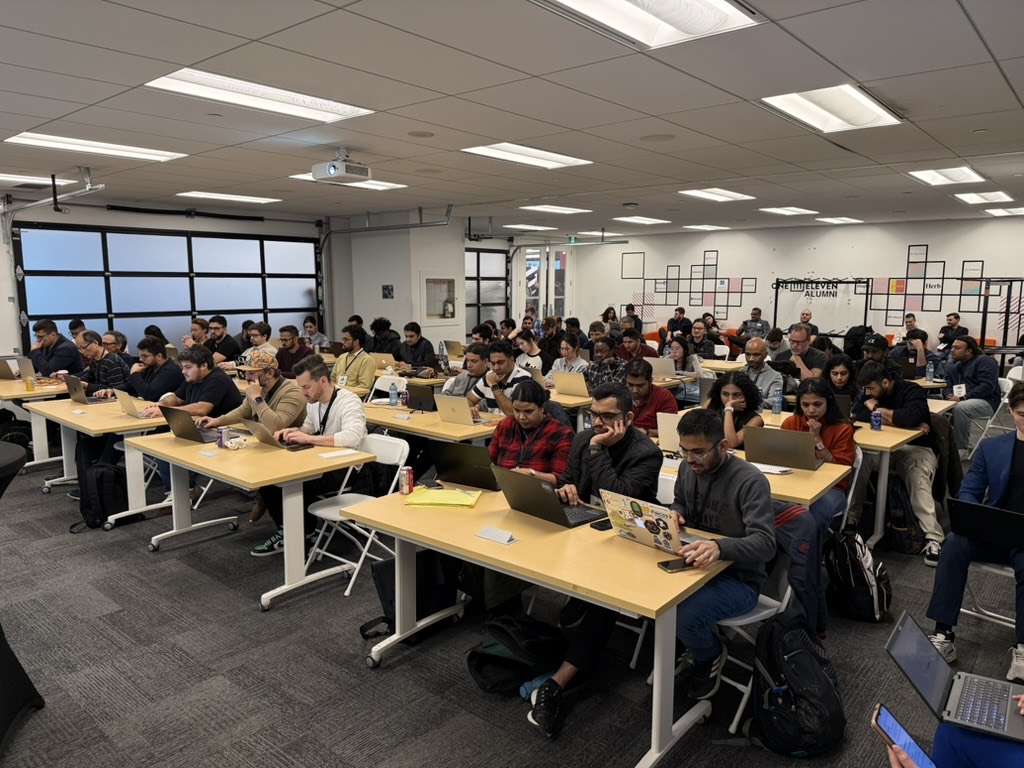
One evening, more than one format. A talk for the listeners. A hands-on part for the people who learn through their fingers, which is exactly why our Construct format exists: ninety minutes of building beats ninety minutes of watching for half your room. A lightning talk for short attention and fresh perspectives. Open time for the people whose real learning happens in conversation.
You don't need all of it every time. But if your meetup is only ever people watching slides, you've built a room for one kind of brain and called it a community.
2. Design for the quiet half
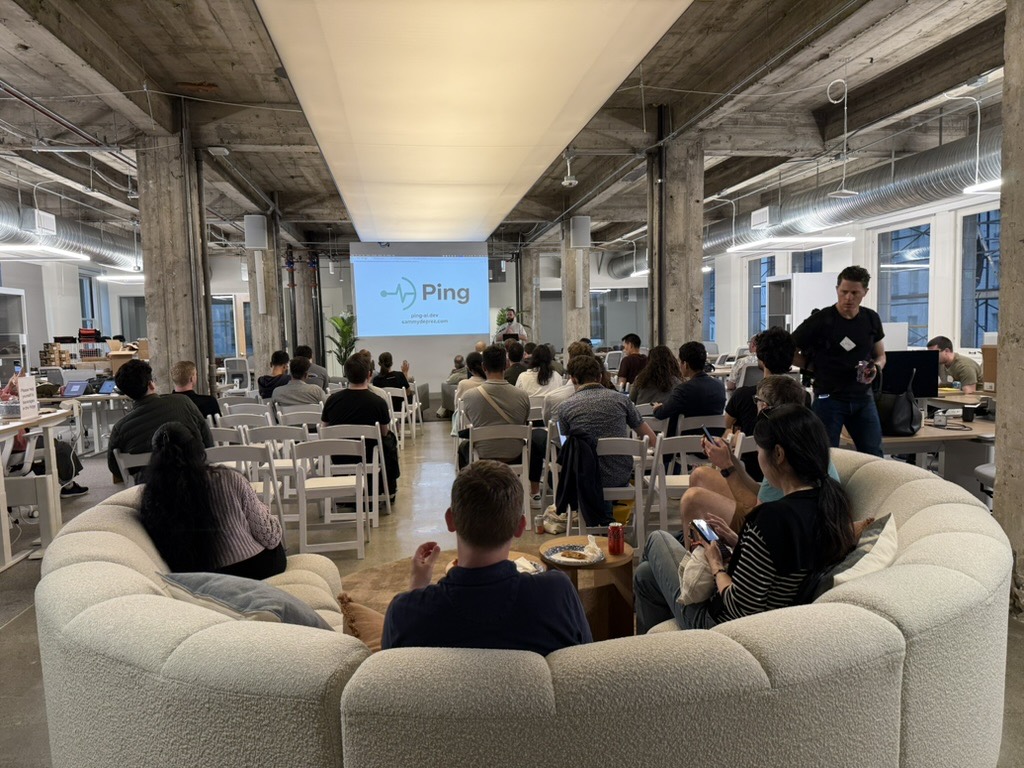
Every room is half introverts, and most meetups are designed as if they don't exist. Forced icebreakers, grab the mic, go network. For a lot of people, that's not an invitation. It's a reason to stay home.
Make participation optional at every level. Let people ask questions on paper or in a chat, not only through a microphone. Use hands-on sessions, because sitting next to someone and building the same thing starts a conversation naturally, without anyone having to perform. And let people just listen.
Someone who says nothing for three meetups and then asks one question is not a failed attendee. That's someone becoming comfortable at their own pace.
3. Lower every threshold you can find
Free entry is the famous one, and it's why every one of our events is free. But price is only the most visible threshold.
Assumed knowledge is a threshold: say from the stage that basic questions are welcome, and mean it. Language is a threshold: skip the insider jokes and unexplained acronyms that tell newcomers this room already has its people. Timing is a threshold: not everyone can do late evenings. Food is a threshold: someone who doesn't drink alcohol, or can't eat what you ordered, gets a quiet signal about who this event was planned for. None of these cost real money to fix. They cost attention.

4. Put different people on stage
Your speaker lineup is the loudest message your meetup sends. If the stage always looks the same, always sounds the same, always the same level of seniority, then everyone who doesn't match that picture learns something before the first slide: this is not for people like me.
Mix it deliberately. A first-time speaker next to an experienced one. A junior developer's fifteen minutes next to an architect's deep dive. People of different backgrounds telling different stories. I've written before that speakers aren't found but made, and this is where it pays off twice: the new speaker gets a stage, and someone in the audience sees themselves up there for the first time and starts thinking: maybe I could do that.
5. Make the safety real, not laminated
A code of conduct on the website is decoration. What makes a room safe is what people see happen in it.
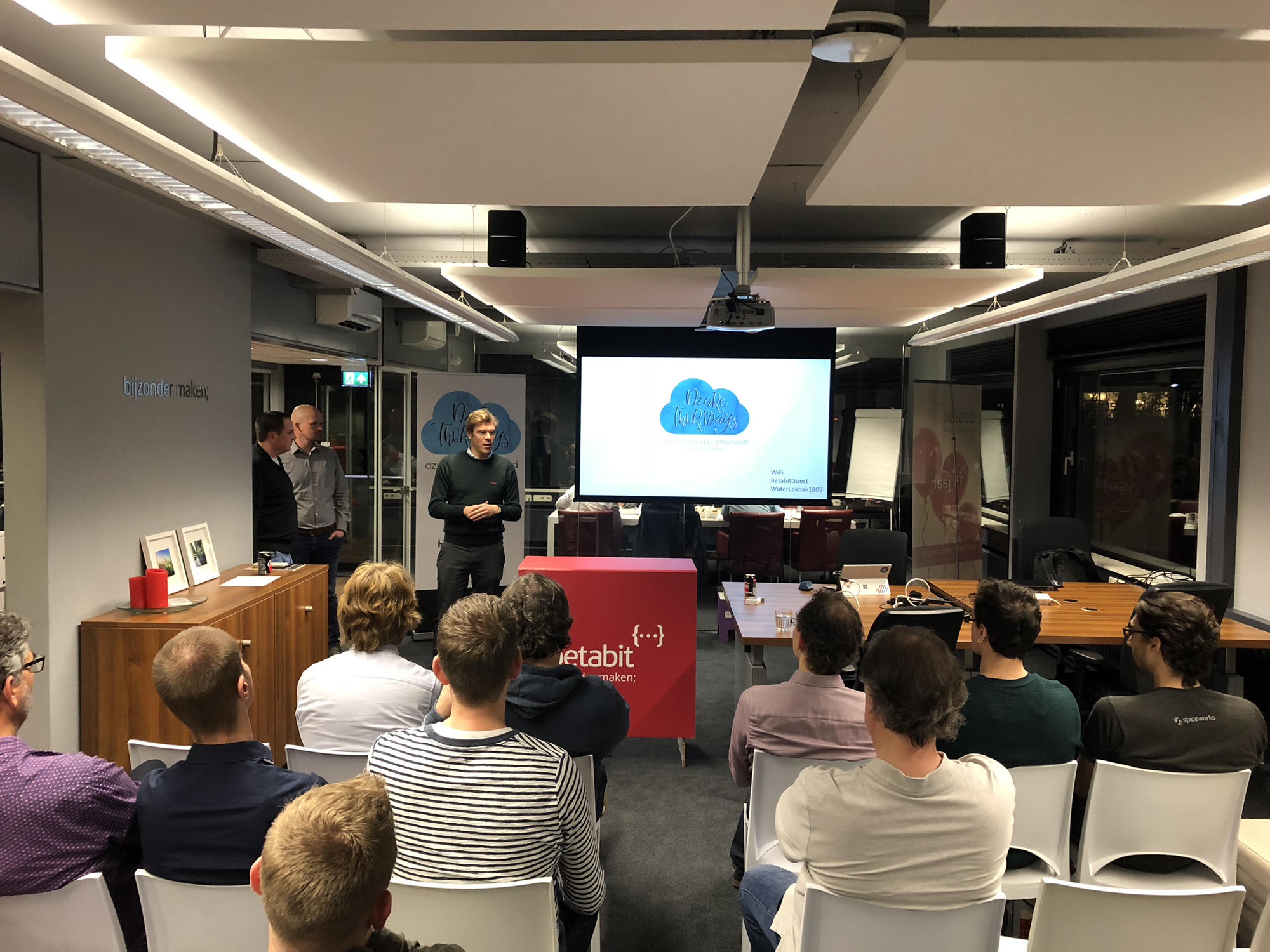
Name it at the start of the evening, in one normal sentence, so everyone knows there are rules and a person behind them. And when someone crosses a line, act, even when it's uncomfortable, even when it's a regular. I've written about this before: a rule that isn't enforced doesn't exist. The people your rules protect notice enforcement, and they notice its absence even faster.
They just don't file a complaint. They stop coming.
The common ground
Here's the thing about these five tips: none of them is about lowering the bar, and none of them needs a budget. They're about widening the door.
The common ground of a good meetup was never sameness. It's the shared agreement that everyone in this room gets to learn in their own way, participate at their own pace, and be who they are while doing it. Build that, and something interesting happens: the quiet ones start asking questions, the newcomers come back, and the person from the parking lot walks in.
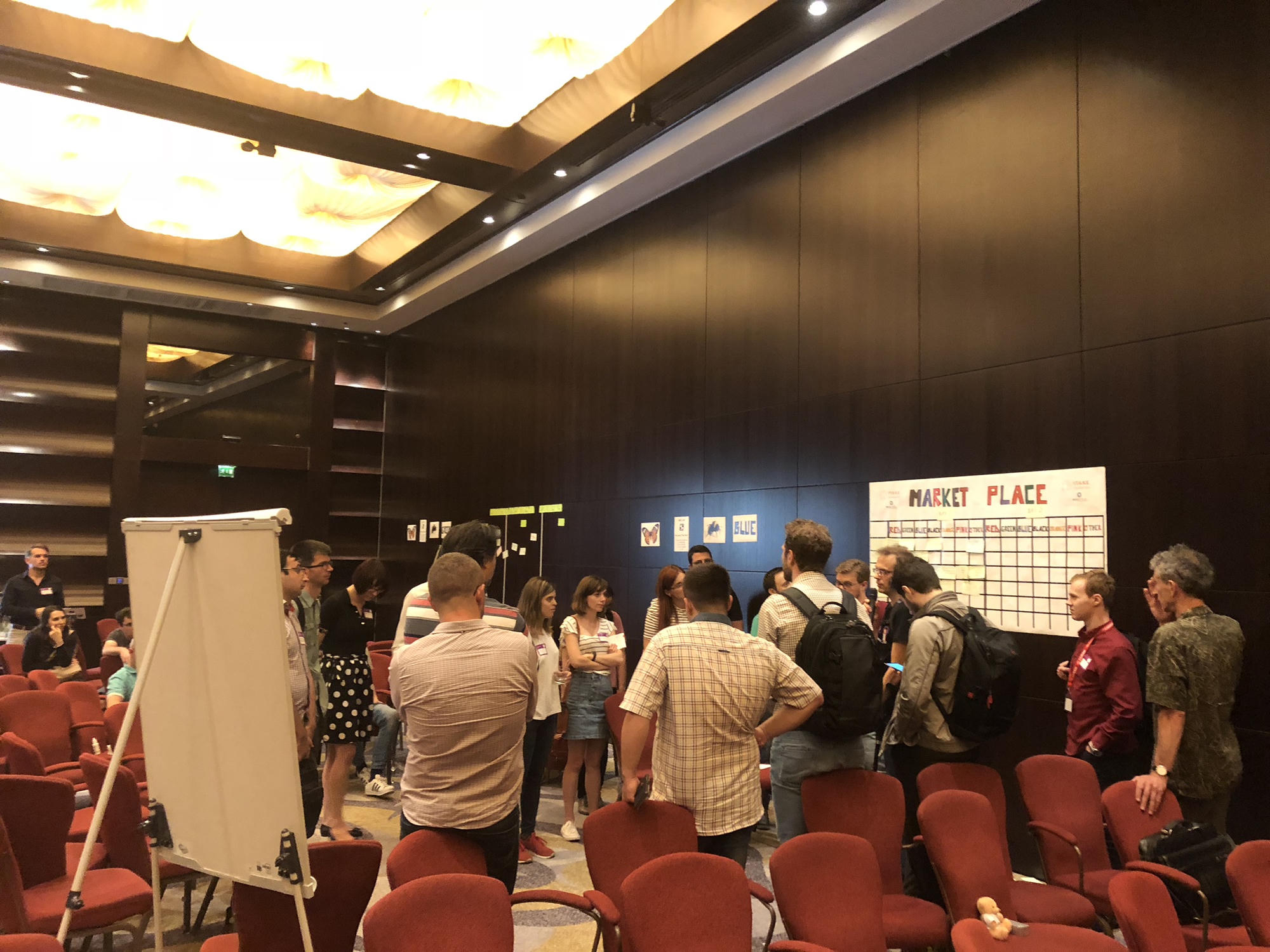
That's the whole point of a community. Not a room full of the same person. A room where different people build the same thing.
Pass it on
Share this article
Read next