Speakers Aren't Found. They're Made.
Great speakers do not appear fully formed. Communities create them by asking personally, offering small and friendly stages, sharing material, and making the next step clear.
Audio version
Listen to this article
Narrated by Henk Boelman.
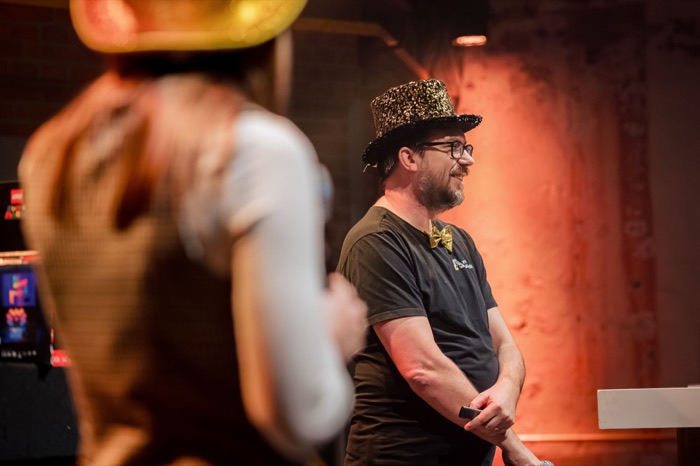
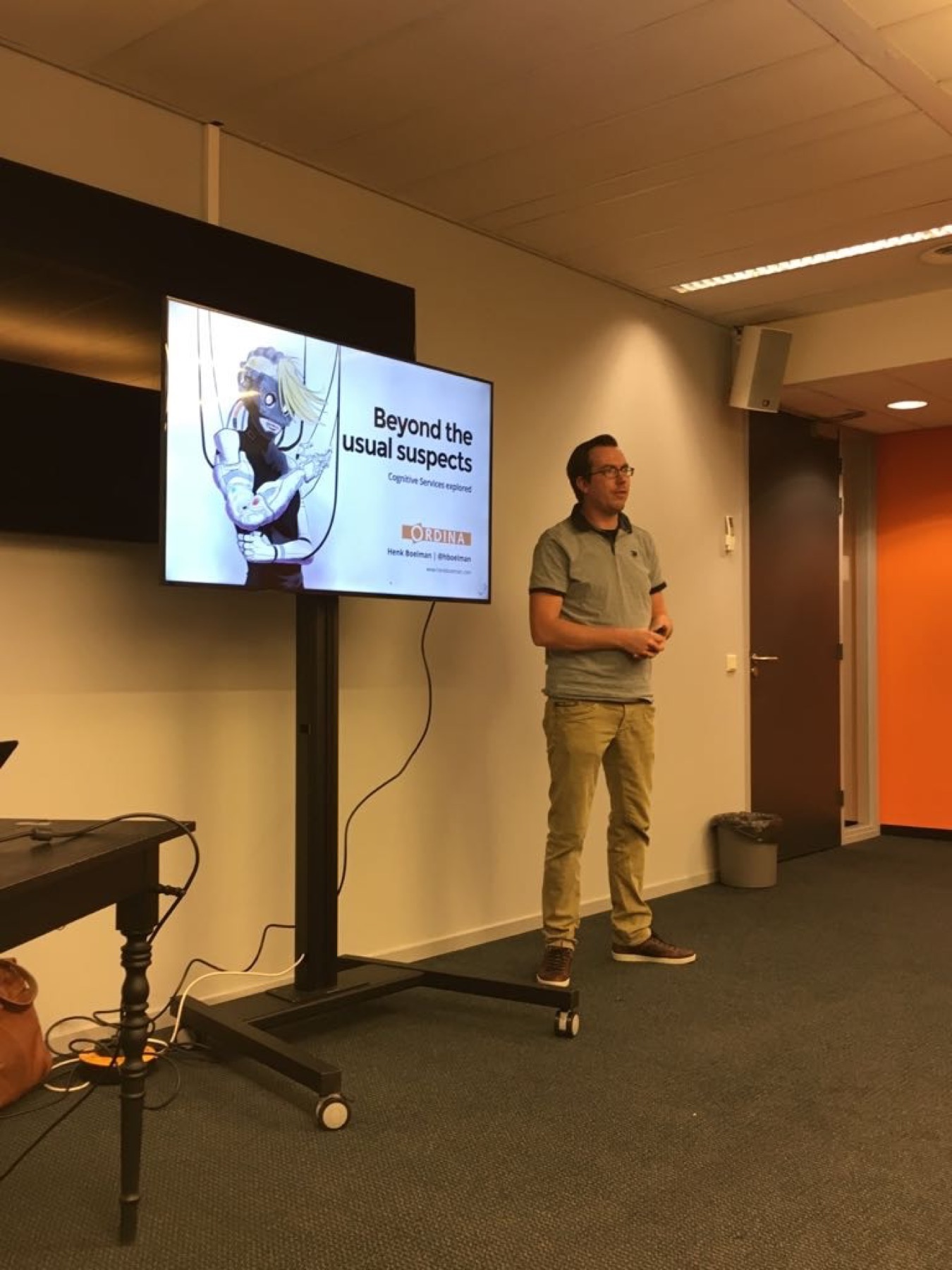
In 2017 I had just left my job at Mirabeau and started at Ordina. They ran a developer conference called Code and Comedy, and in my first weeks someone asked if I wanted to do a talk. I said yes, and then spent the next weeks wondering why.
It was fifteen minutes. Fifteen. I spent three weeks on the slides. I practiced in front of my wife, more than once. A little earlier I had been at NDC London and watched Jennifer Marsman talk about Cognitive Services, and I remember thinking: I want to be able to do that. So that's what my fifteen minutes were about, Cognitive Services. I was more nervous than fifteen minutes should ever make a person.
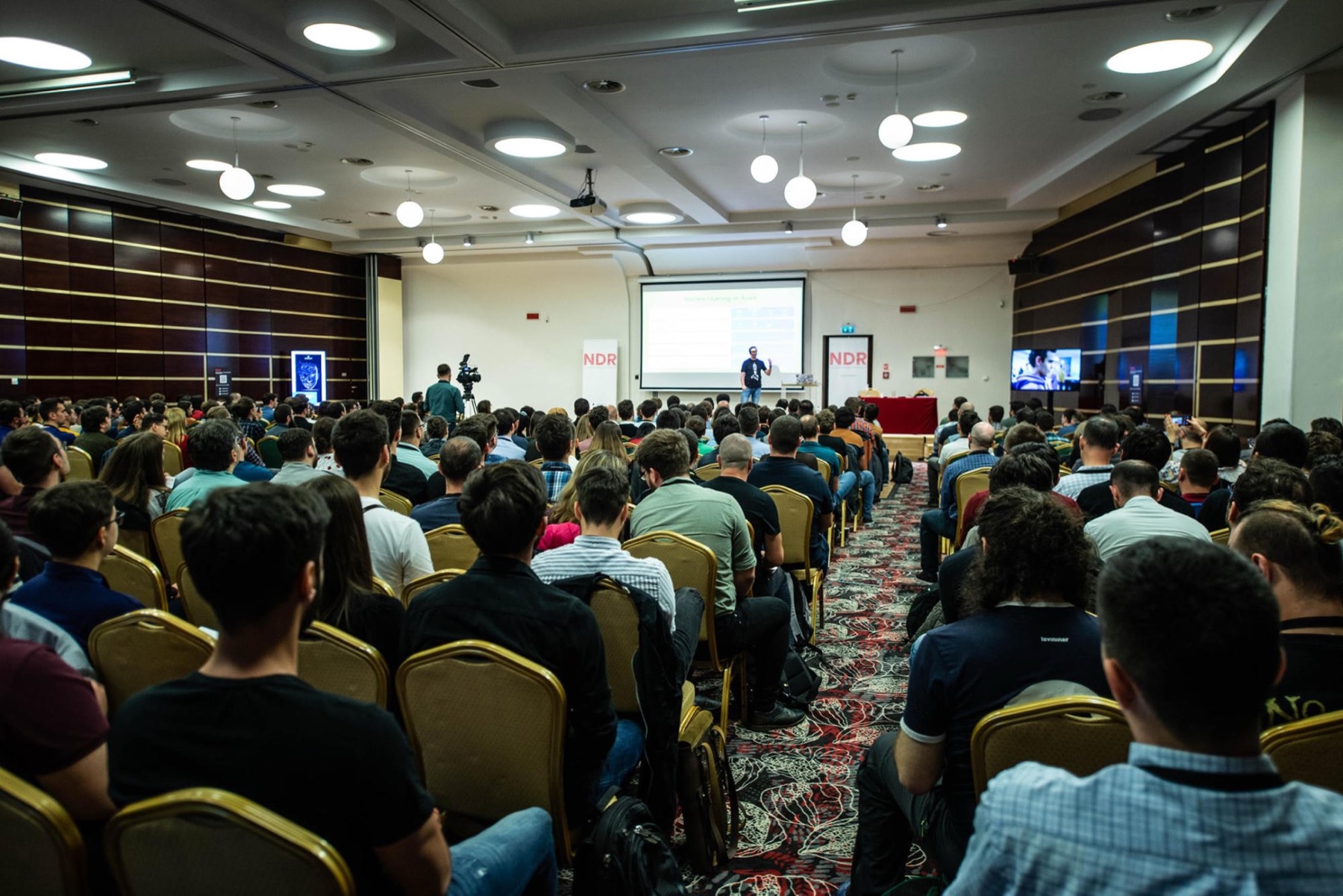
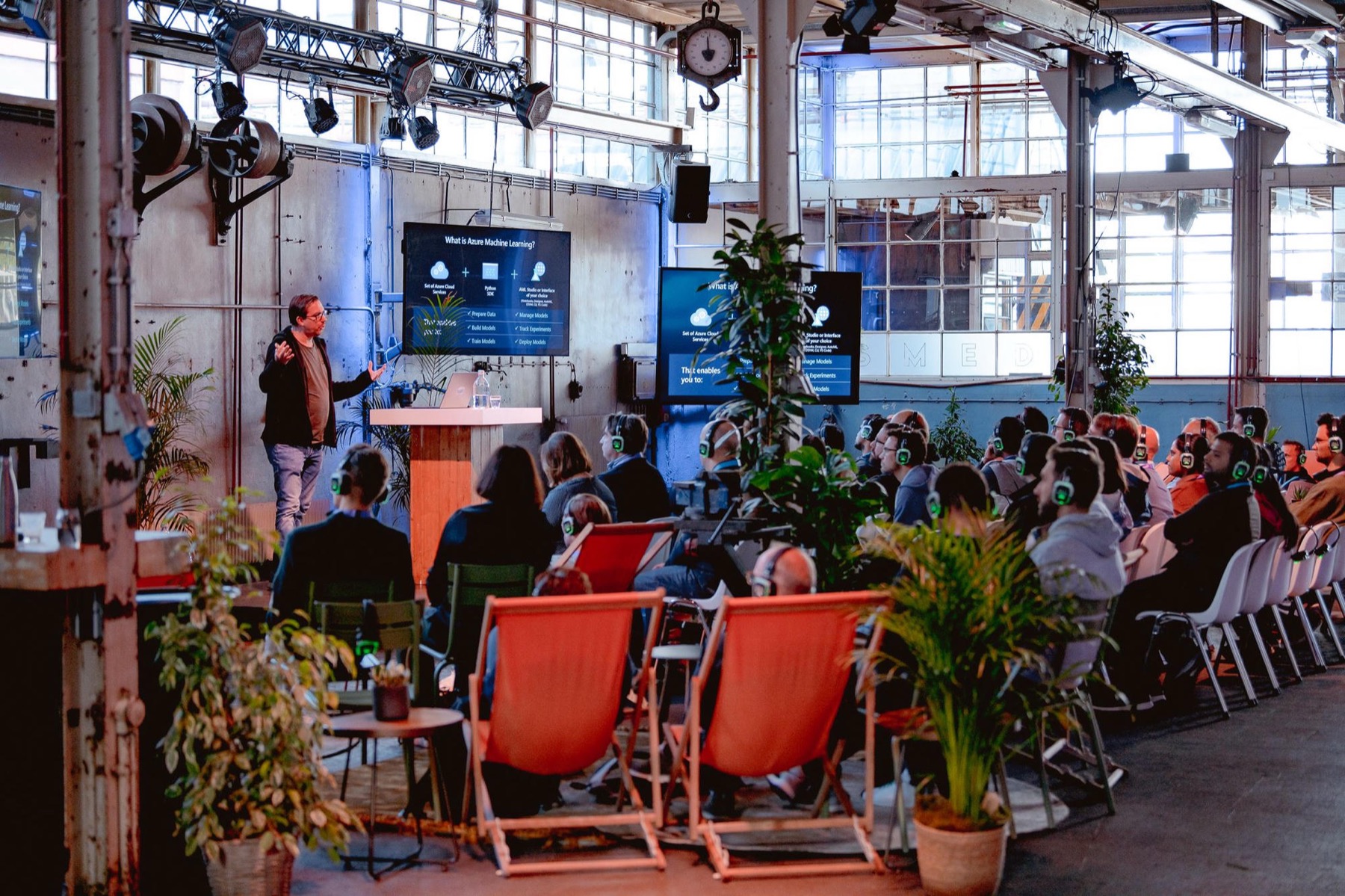
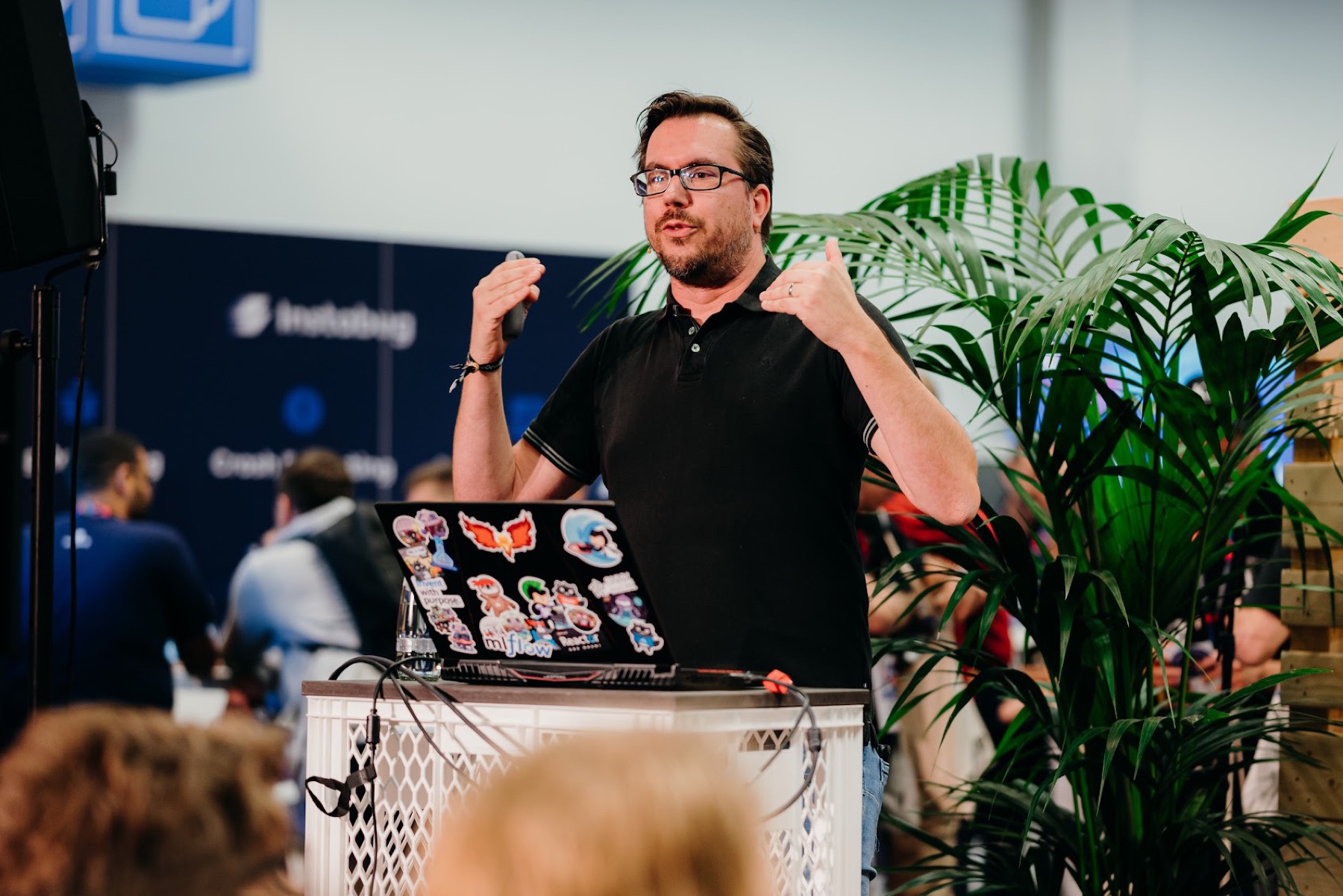
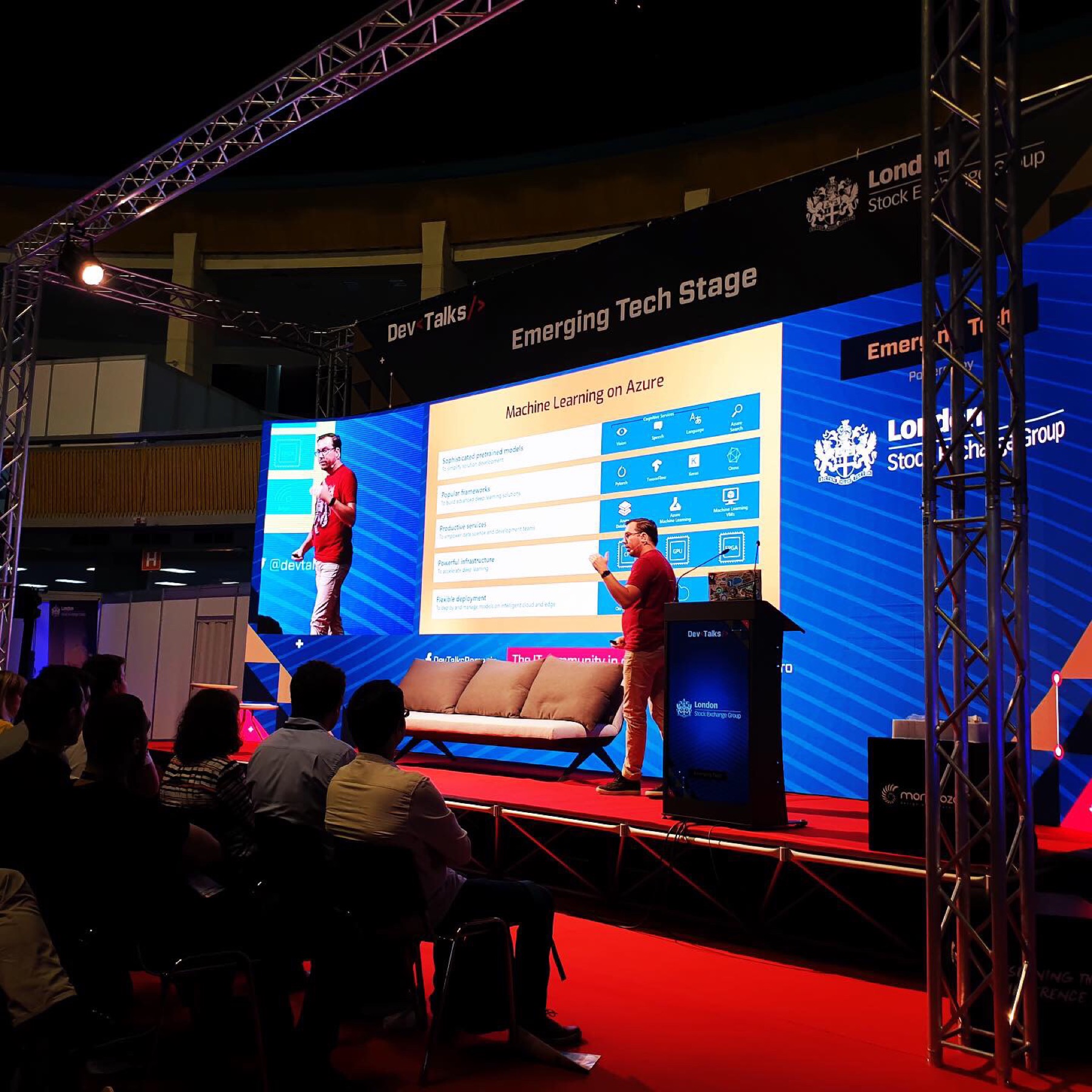
The video is still on the internet. I'm glad it is, because those nervous fifteen minutes are where a few hundred sessions in 30+ countries started. And they are why I don't believe in "finding" speakers.
The myth of the natural speaker
Every conference organizer has said it at some point: we need to find good speakers. As if speakers already exist somewhere, ready to go, and you just have to find them.
They don't. Every speaker you admire started with a short talk, sweaty hands, and someone who asked them. The difference between a community with many speakers and one that keeps using the same five names is not luck or location. It's whether the community builds the ladder on purpose.
The ladder
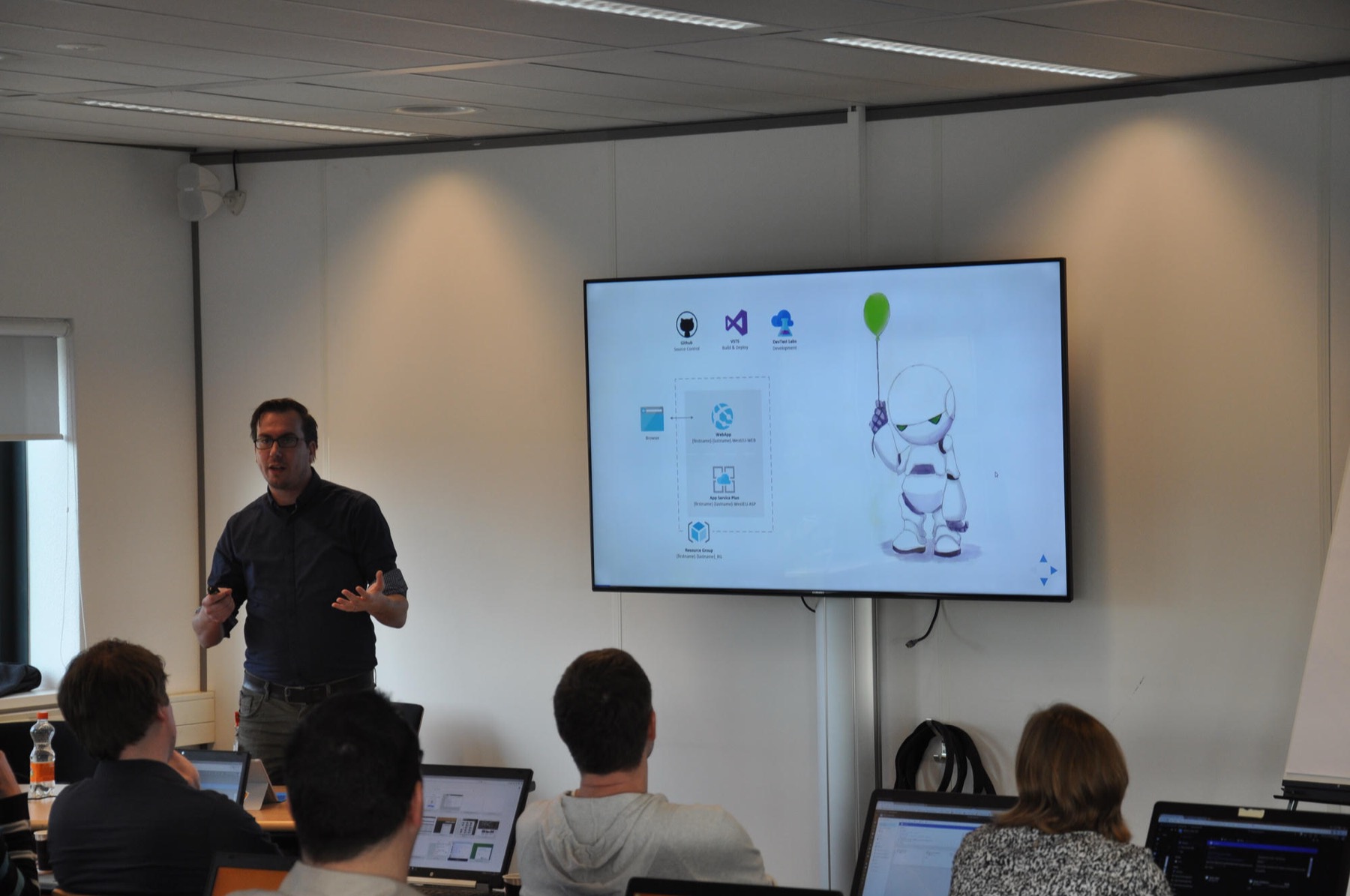
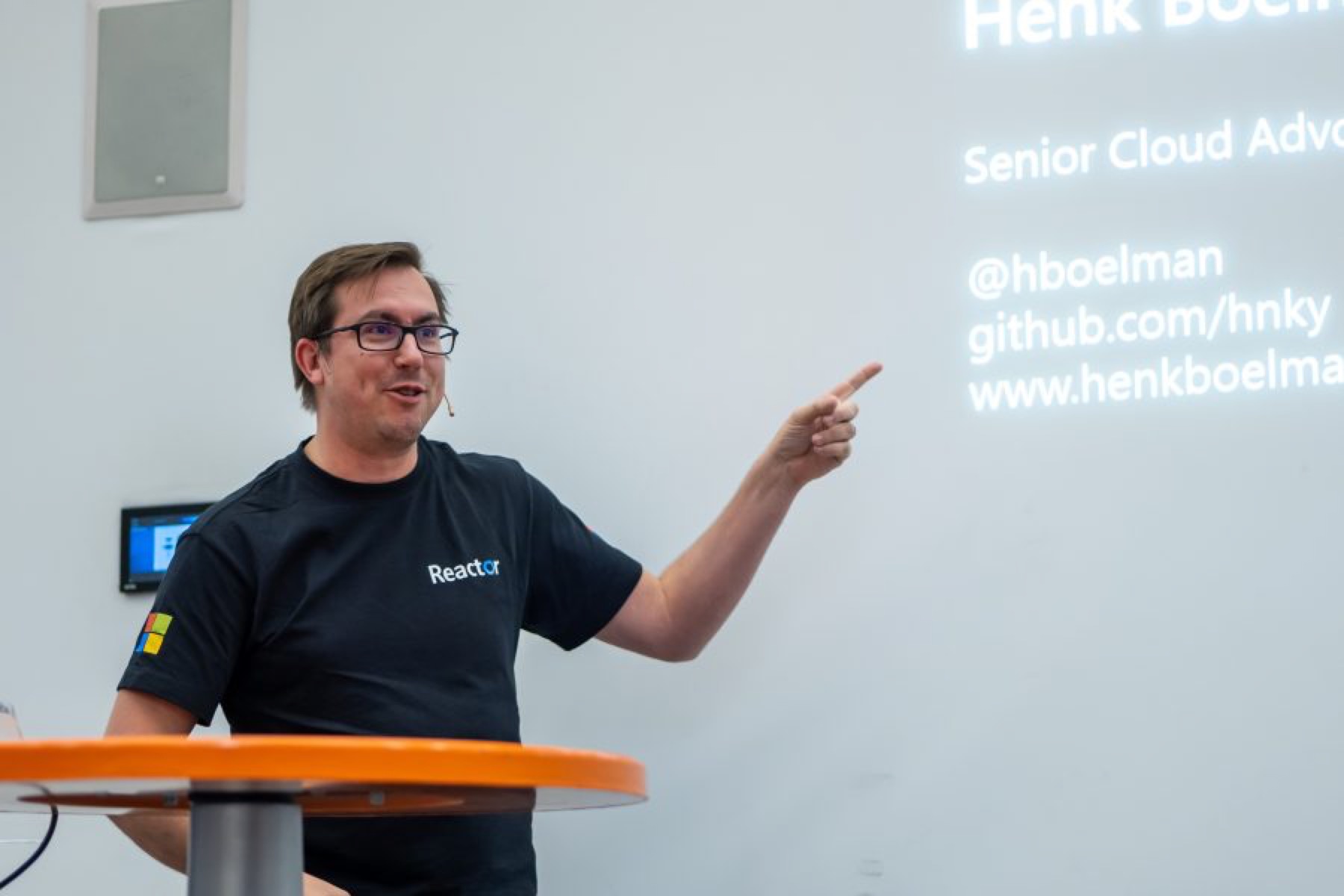
In the Global AI Community, the path from attendee to international speaker has steps, and every step is small on purpose.
Someone asks you. This is the step most people forget. Most people never volunteer to speak. Not because they have nothing to say, but because they think the stage is for other people. It took a colleague asking me before I ever considered it. So the most important job of a chapter lead is to look around the room and ask: you built something interesting, would you tell us about it next month? One personal question reaches people that ten calls for papers never will.
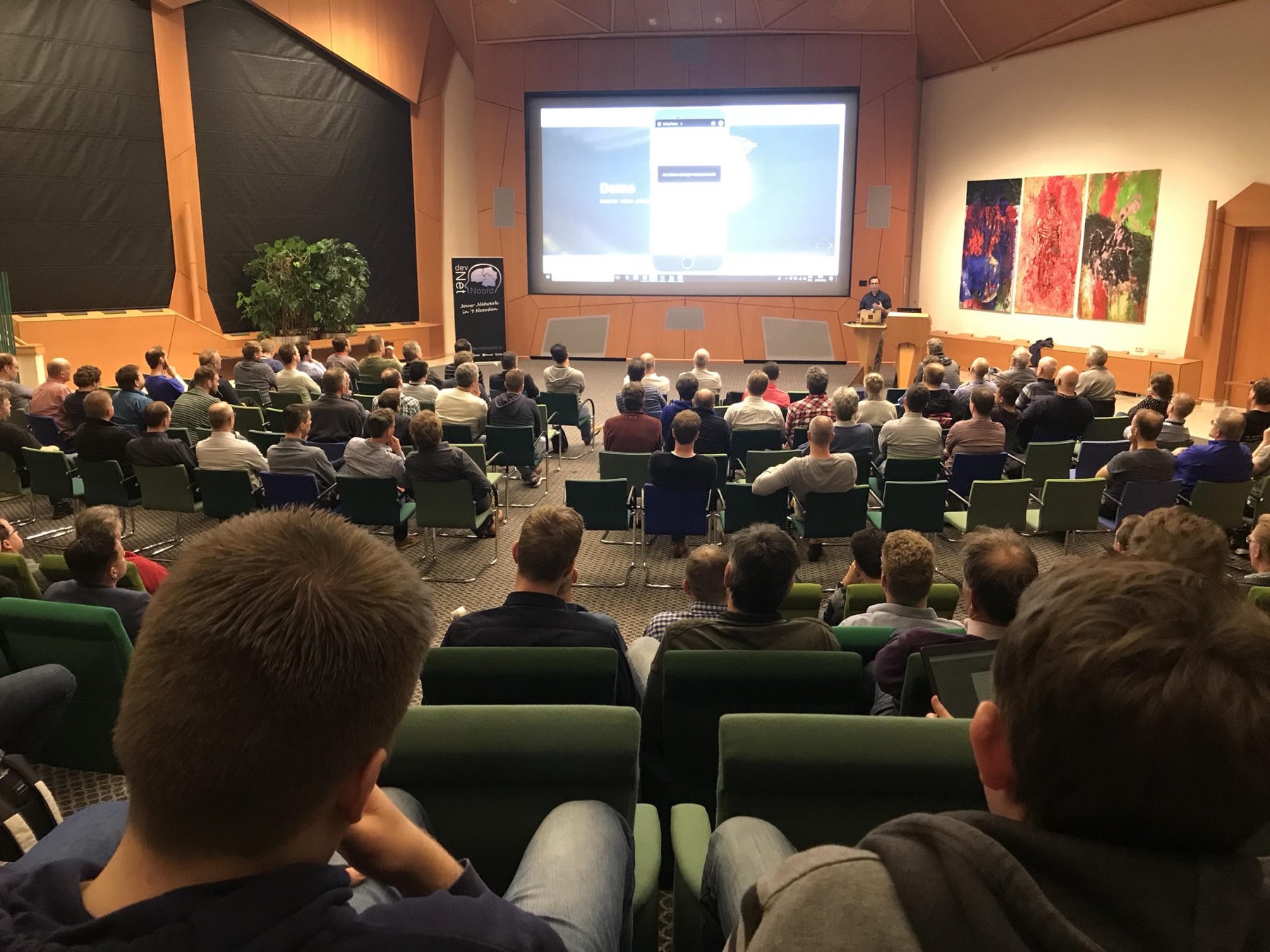
A small, friendly room. A first talk should happen in front of thirty people at a local meetup, not three hundred strangers at a conference. A chapter evening is full of people who came to learn and who want you to succeed. It is a much safer place to learn.
A format built for first talks. Fifteen minutes, not forty-five. A lightning talk slot at every meetup. Co-hosting a hands-on session where the demo carries half the weight. Our Construct format is great for this: helping a room build something is an easier first stage than giving a full talk, because the content does part of the work.
Material to stand on. Nobody's first talk needs to be new research. Shared session content, a workshop that's already tested, a demo that works. Adapt it, add your own experience, make it yours. After a few talks you don't need the support anymore, usually faster than people expect.
A clear next step. After the local talk: a chapter nearby, then a bigger event, then an AgentCon stop, then an international one. Speakers grow when they know what the next step is and someone actually offers it. The organizer who saw your local talk recommends you for a bigger stage. Careers have started exactly there.
What the community gets back
This looks like a lot of effort for the speaker's benefit. It isn't charity.
A community that builds speakers never runs out of content. It gets talks based on real local experience instead of the same talks that travel from conference to conference. Its events sound like the city they're in, because the people on stage are from there. And the speakers it develops stay loyal in a way no paid keynote speaker ever will, because they remember exactly who gave them their first fifteen minutes.
That's the pipeline: attendees become speakers, speakers become organizers, organizers build the next speakers. Get that loop right and you never have to find anyone. New speakers keep coming.
Whose first talk are you enabling?
If you organize anything, a meetup, a chapter, a conference: look at your last three events. How many first-time speakers were on stage? If the answer is zero, you don't have a speaker shortage. You have an asking shortage.
And if you're a speaker now: you had a Jennifer Marsman, someone whose talk made you think "I want to be able to do that," and you had someone who asked. Be both for the next person.
Somewhere in your community is a developer who built something interesting and thinks the stage is for other people. Fifteen minutes. A friendly room. One personal question.
That's how speakers are made. I know, because the video is still on the internet.
Pass it on
Share this article
Read next