Trust Is Built on Stage. It's Protected in Spreadsheets.
Nobody signs up for community building because of invoice checks and codes of conduct. But after nine years of running a global community, I've learned that this boring work is what everything else stands on, and that skipping it is how communities quietly rot.
Audio version
Listen to this article
Narrated by Microsoft Foundry.
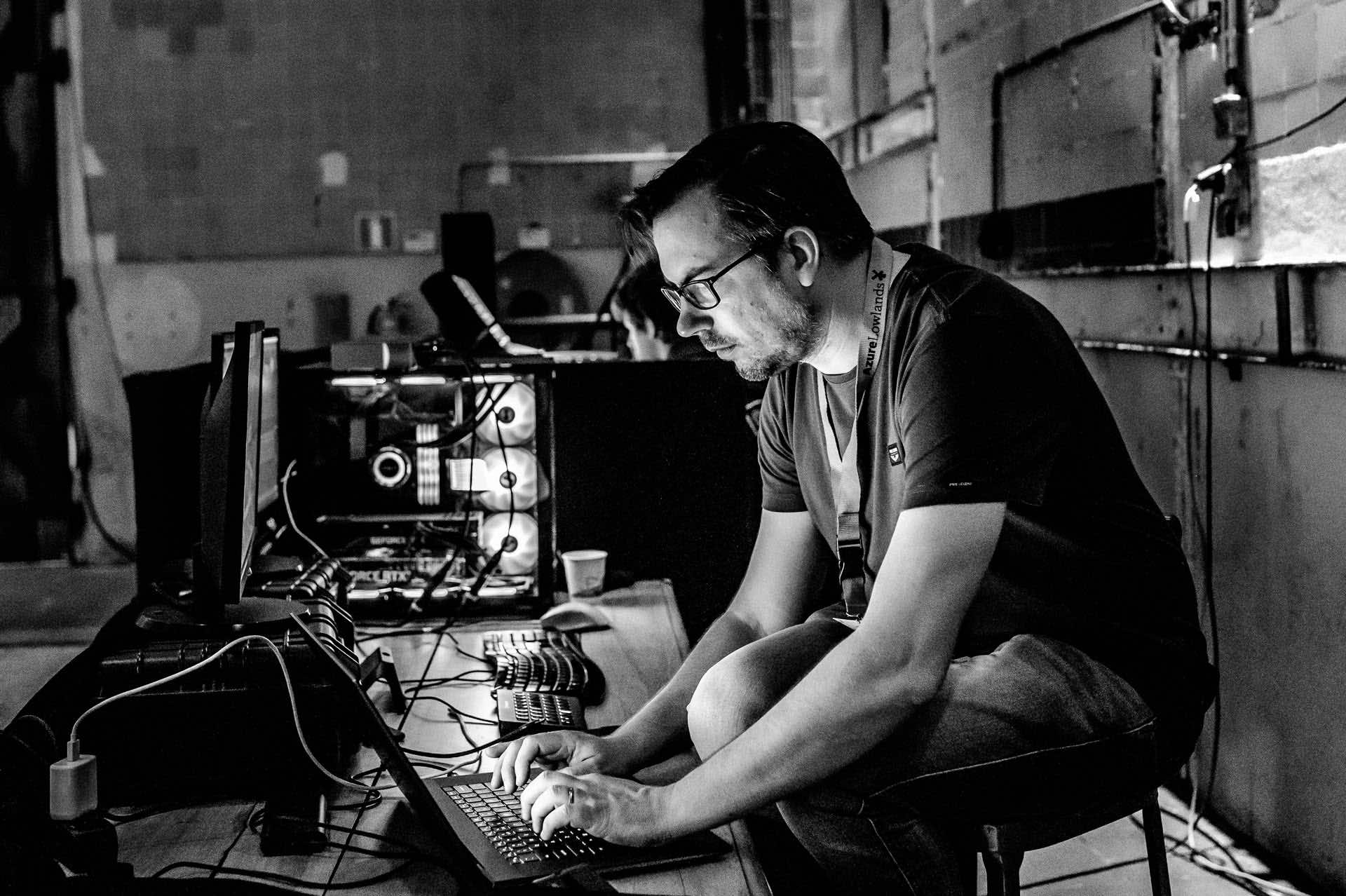
Some evenings my community work looks like this: an invoice on one screen, the VAT rates of a country far away on the other, and me checking whether the numbers make sense.
Nobody signs up for community building because of this part. There are no conference talks about checking receipts. But after nine years of running a global community, I've learned that this boring work is what everything else stands on. So this post is about the part of community building nobody writes about, and why skipping it is how communities quietly rot.
Free money attracts problems
The Global AI Community reimburses chapters for their event costs. Venue, food, printing. It's a core part of the enablement model I wrote about earlier: financial backing means anyone can organize, not just people who can afford to pay for a room themselves.
Here's the uncomfortable truth that comes with it: when you send money to volunteers in 70+ countries, most people are honest, and a few are not. We have seen invoices that didn't add up. Receipts for prices that don't exist in that city. Numbers that tell a different story when you look closely.
The first time you catch it, it stings. You started this to trust people. Now you're the person double-checking a pizza receipt. But here's the thought that keeps me going.
Checking is not distrust. Checking is what makes trust possible at scale.
The honest majority pays for the dishonest few
Think about what happens if you don't check.
The money that leaks away was sponsor money, given in good faith. When a sponsor discovers their support paid for invented invoices, they don't leave one chapter. They leave the community. The rules then tighten for everyone, the reimbursements slow down for everyone, and the honest organizer in the next country over, the one doing everything right after a full workday, pays the price for someone else's fake receipts.
That's why we verify. Not to catch people, but to protect the 99% who are honest and the sponsors who make the whole machine run. Every check we do is a promise to both: your money and your effort go where they should. And when a check does find real fraud, we act on it. Quietly, correctly, and every time. Because a check without consequences is just a delay, which brings me to the next point.
A rule that isn't enforced doesn't exist
The same logic applies beyond money. Every community has a code of conduct these days. Most of them are decoration.
The test of a code of conduct is not writing it. The test is the day someone you like crosses the line. A productive organizer, a popular speaker, a friend. Enforcing the rule that day costs you something real: a relationship, a volunteer, sometimes a whole evening of your life in difficult conversations.
Skip it once and everyone who watched learns the real rule: the code applies to some people. And the people it was written to protect notice first. They just stop coming, and they don't file a complaint on the way out.
Why we became a foundation
At some point a community handling real money needs a real structure. The Global AI Community is a Dutch foundation with a board. That means formal accountability: someone is legally responsible, the books can be examined, and decisions have a place where they're made.
It sounds heavy for something that started in a meeting room after work hours. It isn't. It's the same principle as the invoice checks: structure is not the opposite of community spirit. Structure is what lets the spirit survive contact with money, growth, and time.
And there's a practical bonus nobody mentions: sponsors sign faster with a foundation than with an enthusiastic individual and a bank account. The boring paperwork is also a sales document.
Nobody applauds this work
Here's what I want you to take from this if you run a community of any size.
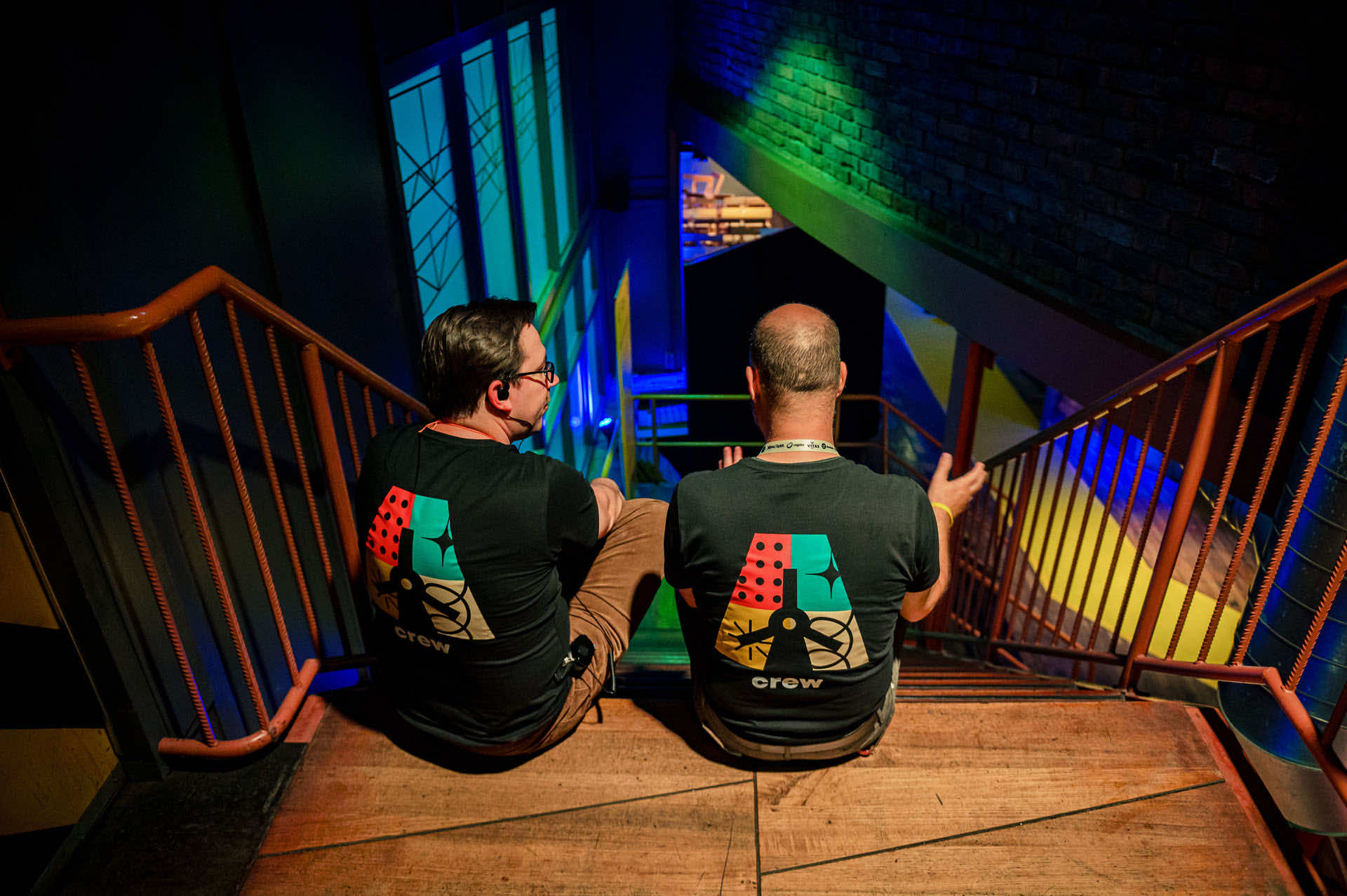
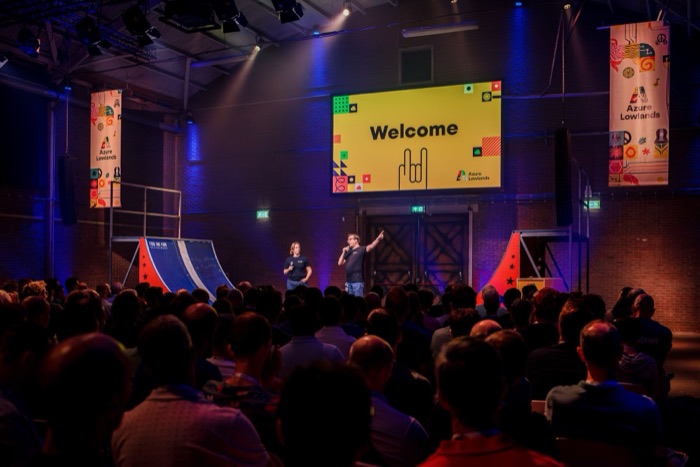
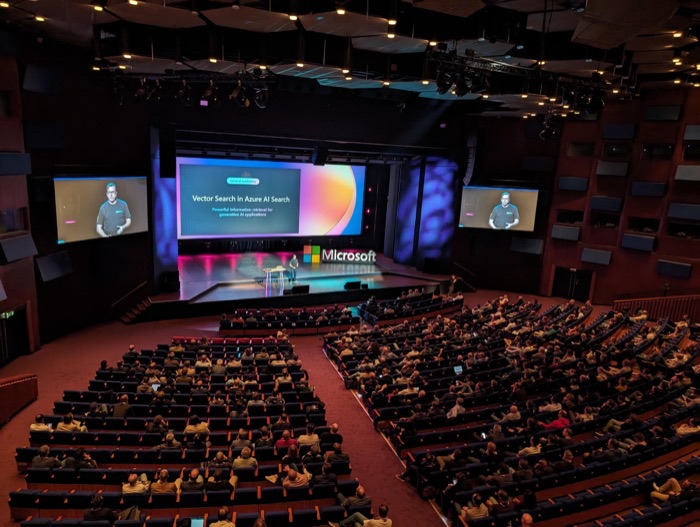
The visible work gets the credit: the stage, the talks, the full room, the photos afterwards. The invisible work keeps it alive: the receipt checks, the difficult conversation, the registration data handled correctly, the books that add up.
Nobody will ever come up to you after an event and say "great VAT verification this quarter." Do it anyway. Because every check you skip spends a little of the trust that took years to build, and trust is the only currency a community actually runs on.
Authenticity without governance is just a vibe. Vibes don't survive 190 chapters.
The enablement machine I described at the start of this series runs on enthusiasm, stages, and pizza. But underneath, it runs on spreadsheets. I've made my peace with that. Some evenings, the most important community work I do is checking whether a number makes sense.
Pass it on
Share this article
Read next