What World Are They Getting?
The real AI question isn't whether it takes our jobs. It's what world we leave our children: whether we build, show up, and keep doing hard things.
View presentation (32 slides)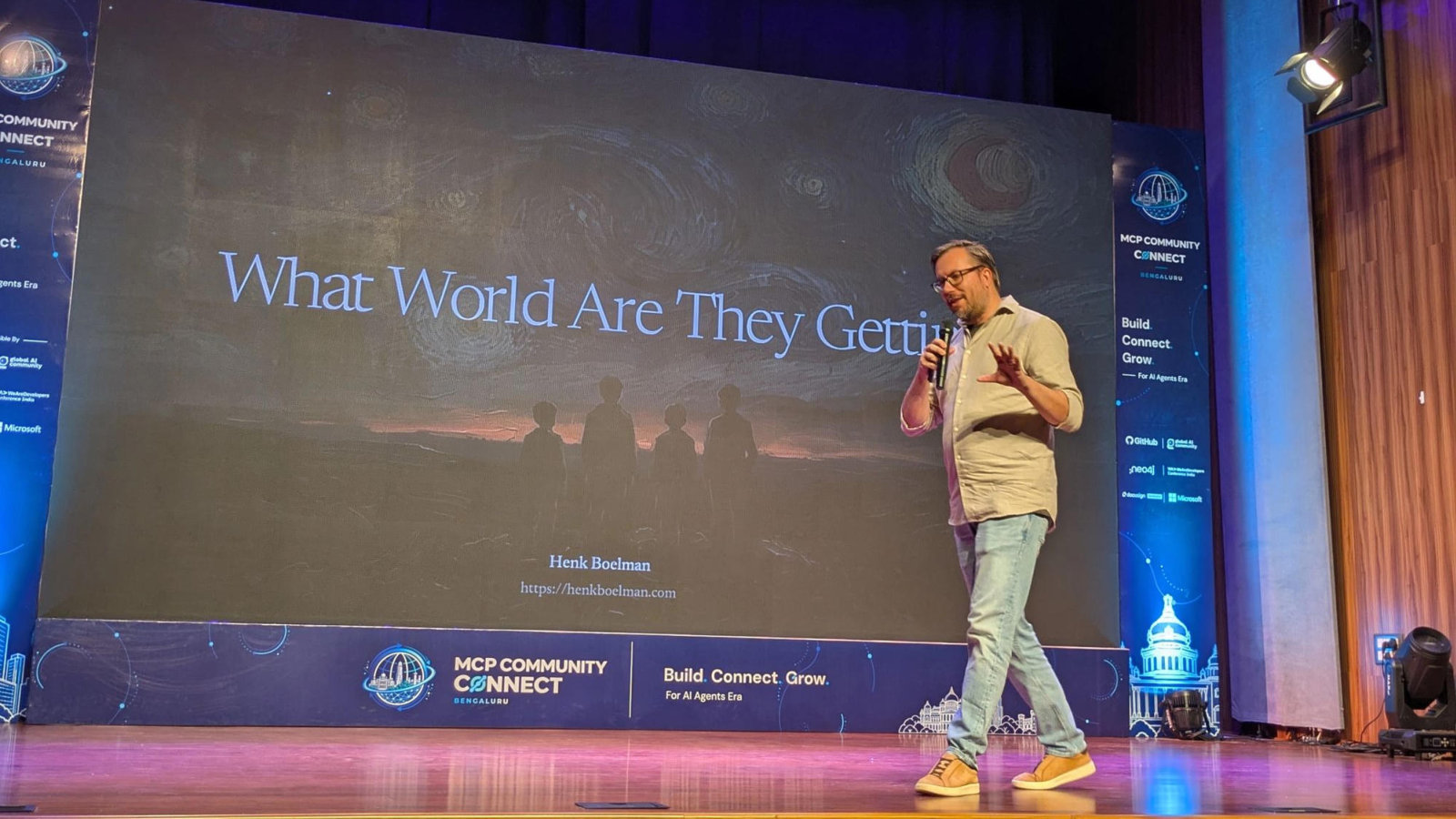
Audio version
Listen to this article
Narrated by Microsoft Foundry.
I opened my latest keynote by telling a room full of developers that their favorite question is the wrong one.
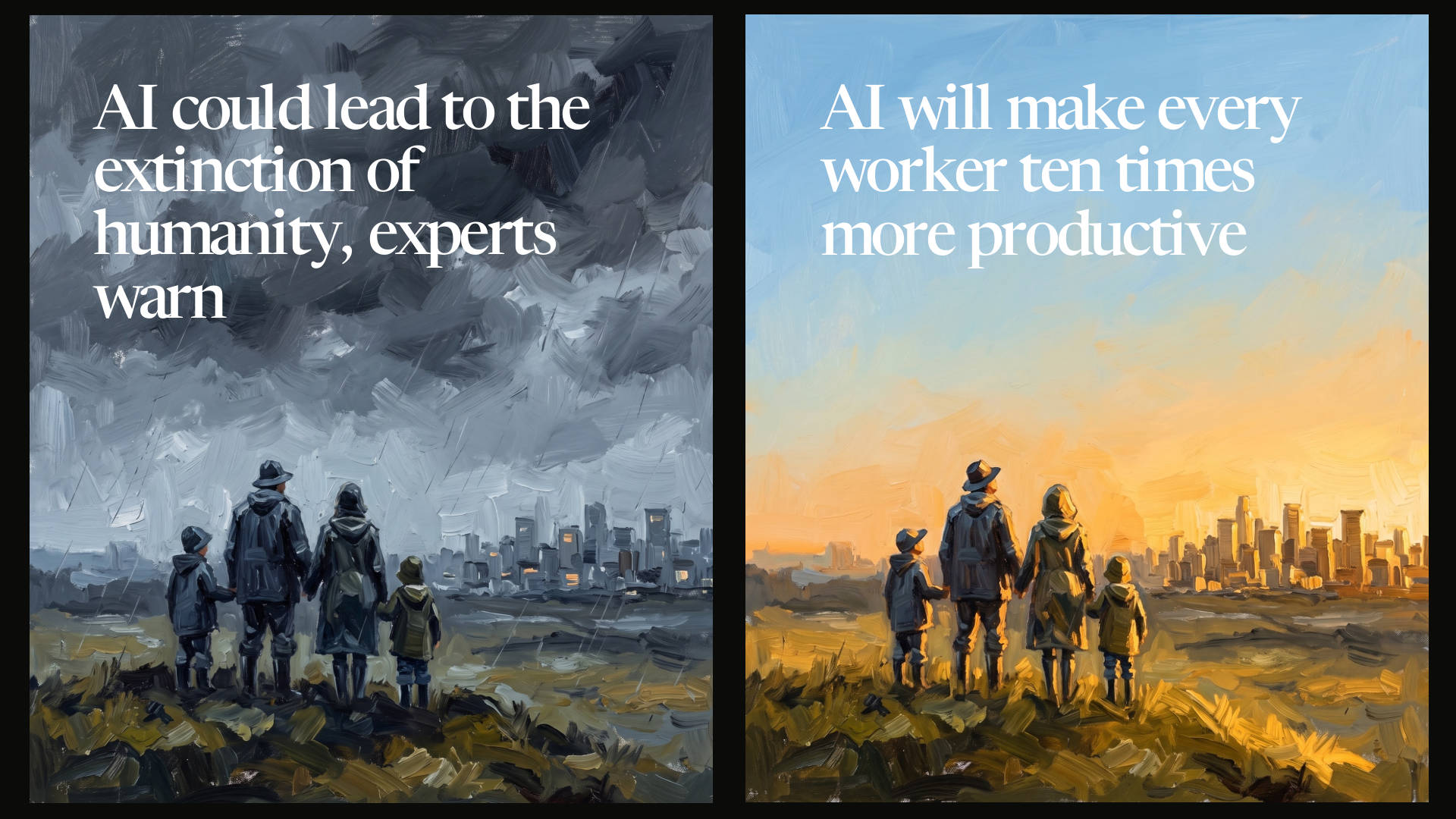
"Will AI take my job?" Every panel, every podcast, every LinkedIn feed, the same question, asked with the same worried face. And I understand why. But let's be honest about what that question is: it's the smallest question you can ask about the biggest technology of our lifetime. It treats a change the size of the world as a change the size of your paycheck.
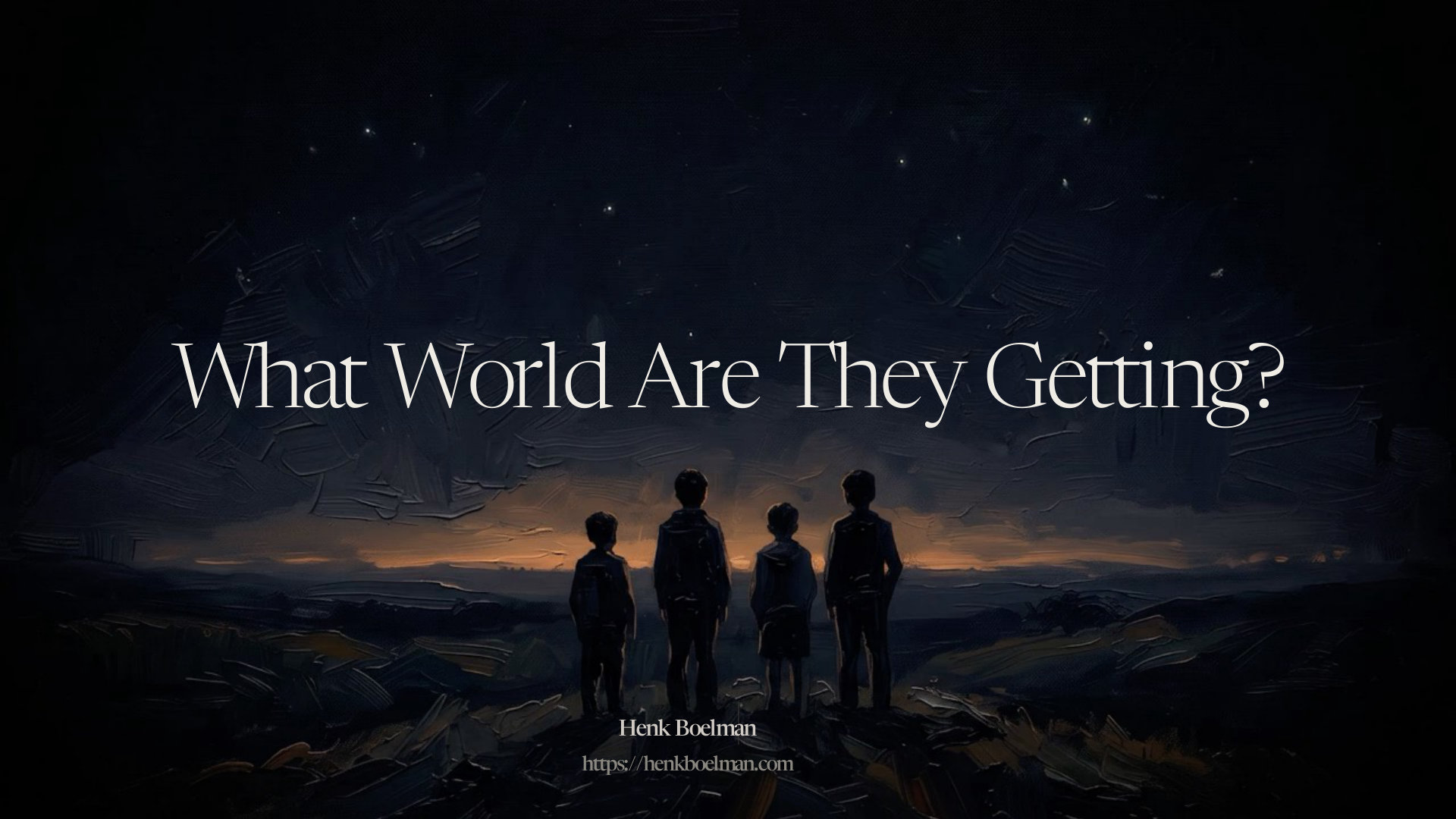
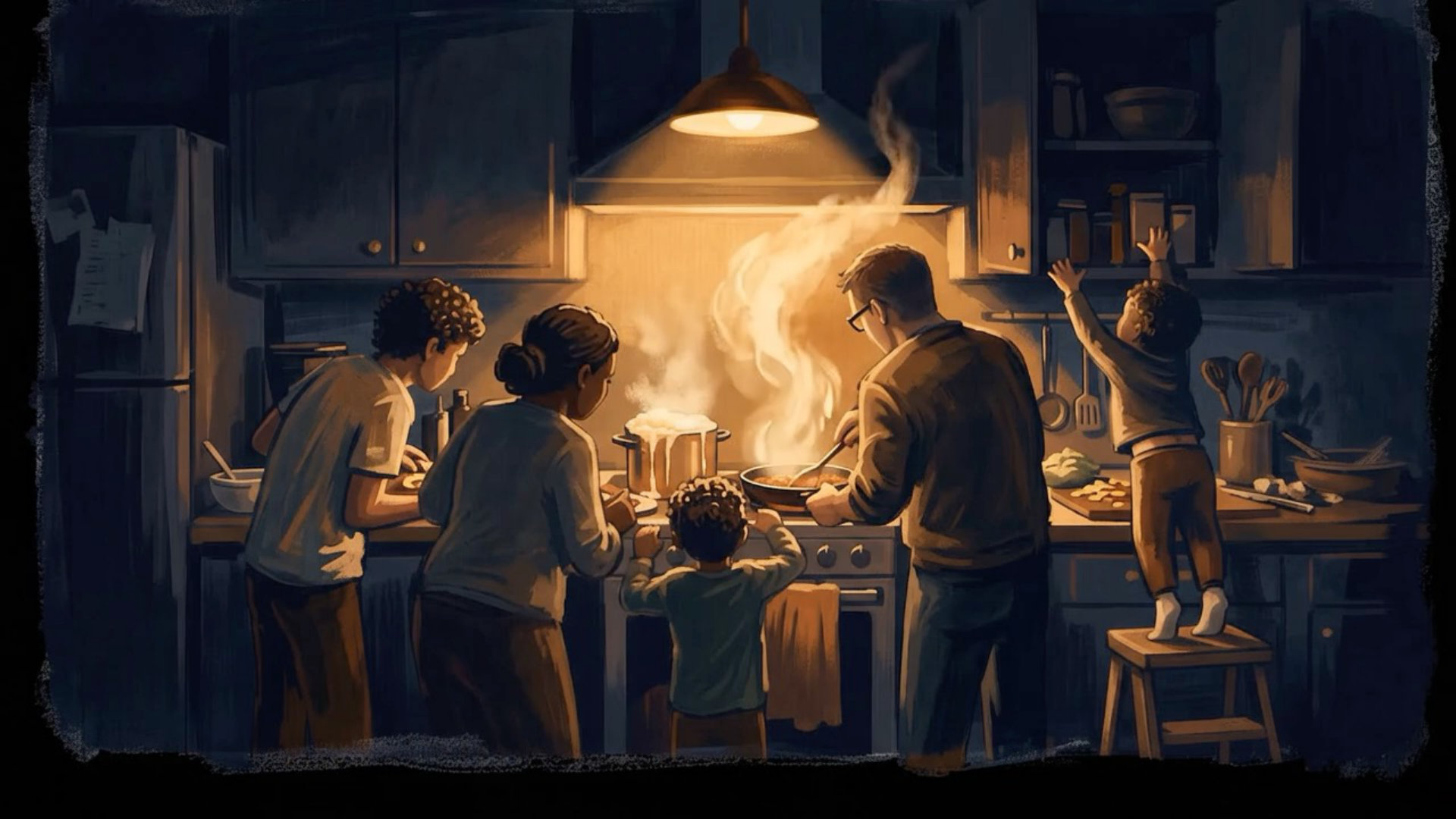
I have four sons. In twenty years, they will not ask me what AI did to my job title. They will ask a much bigger and much fairer question: what world did you leave us? What world are they getting?
That's the question I built the keynote around, and this post is the short version.
Jobs are one room. The world is the house.
The future-of-work frame is comfortable because it's corporate. It fits in a slide, a quarterly plan, a reskilling budget. Meanwhile the actual shift is happening to everything at once: how we learn, how we decide, how we relate to each other, what we consider worth doing at all.
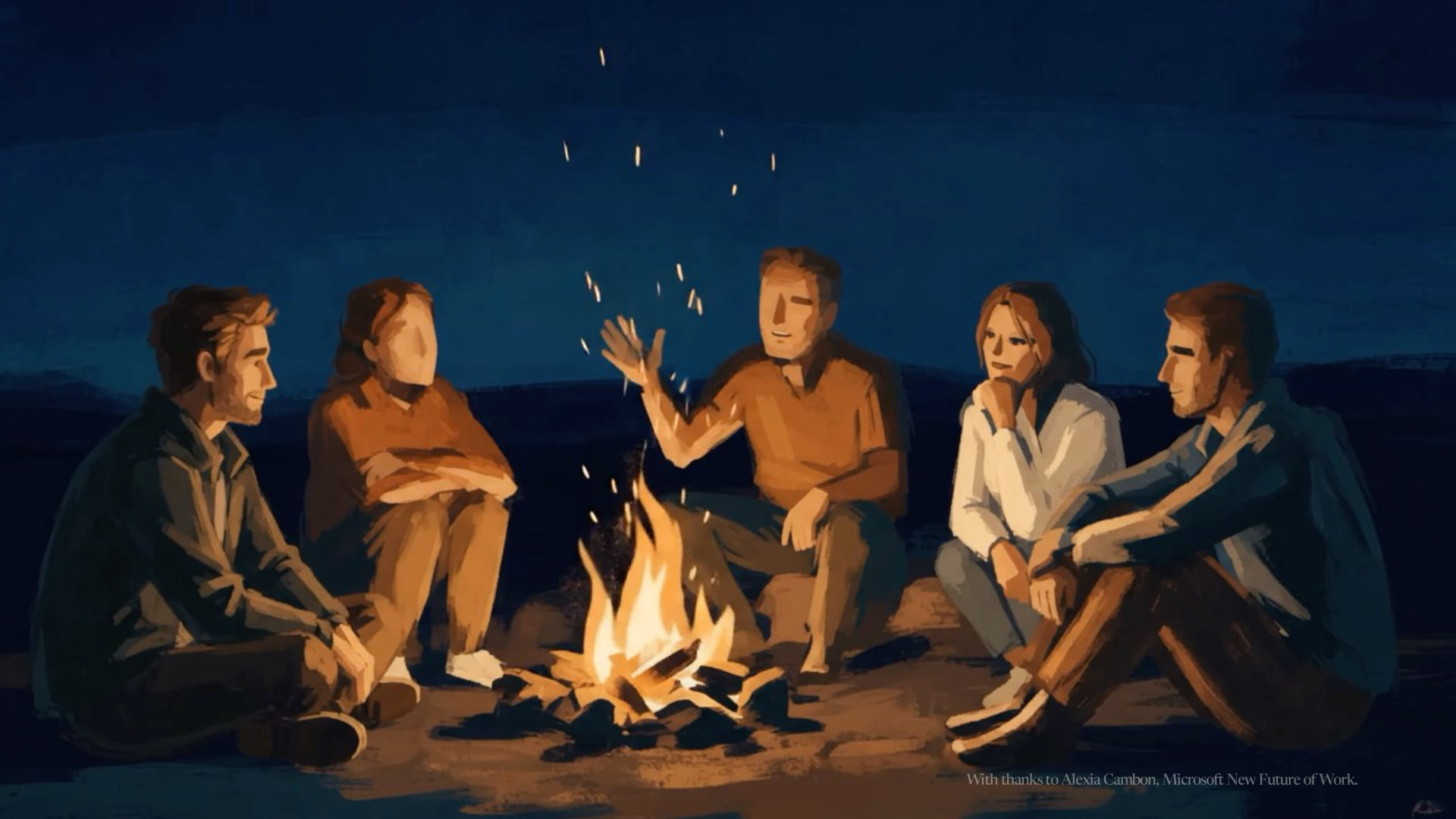
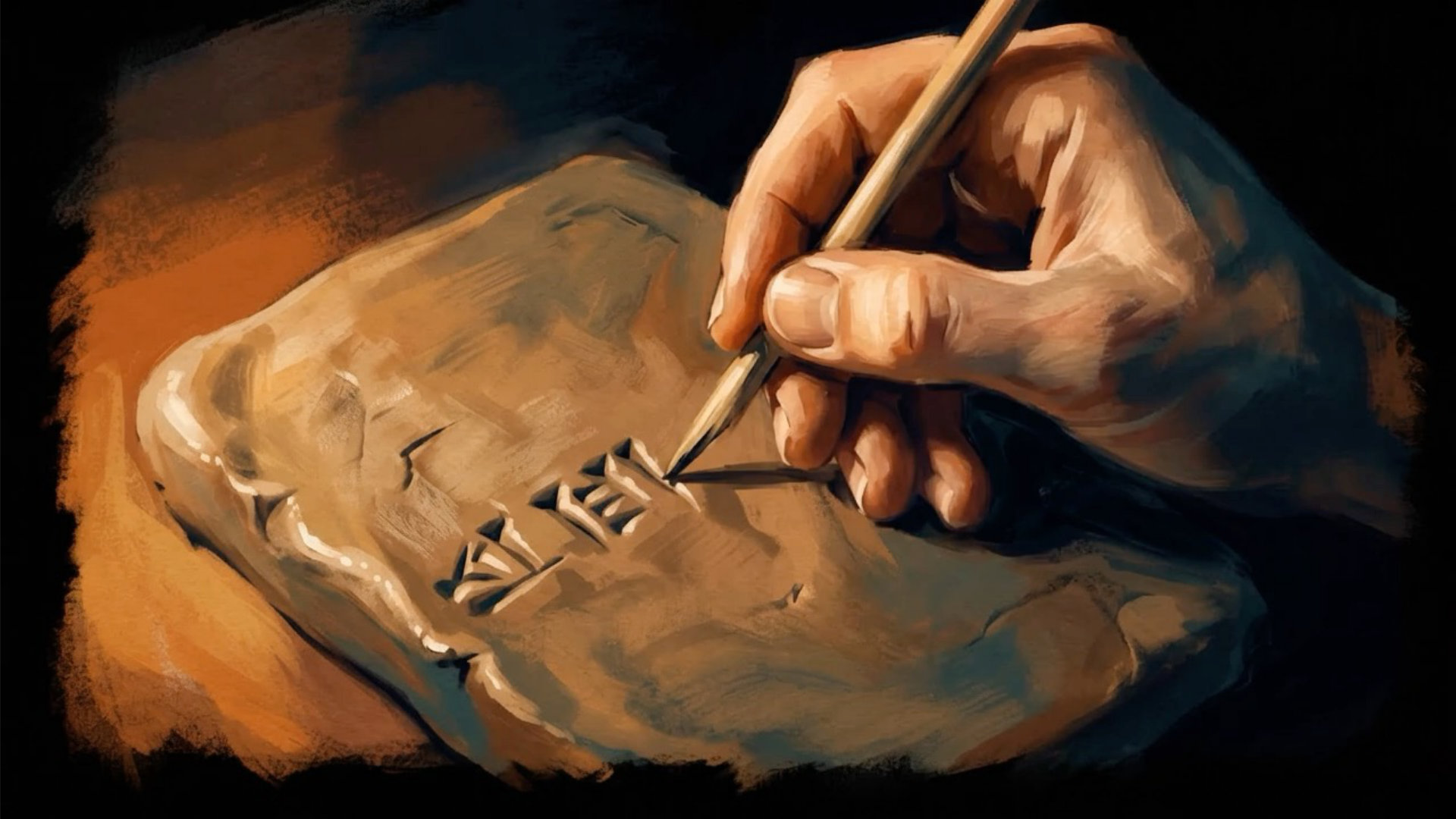
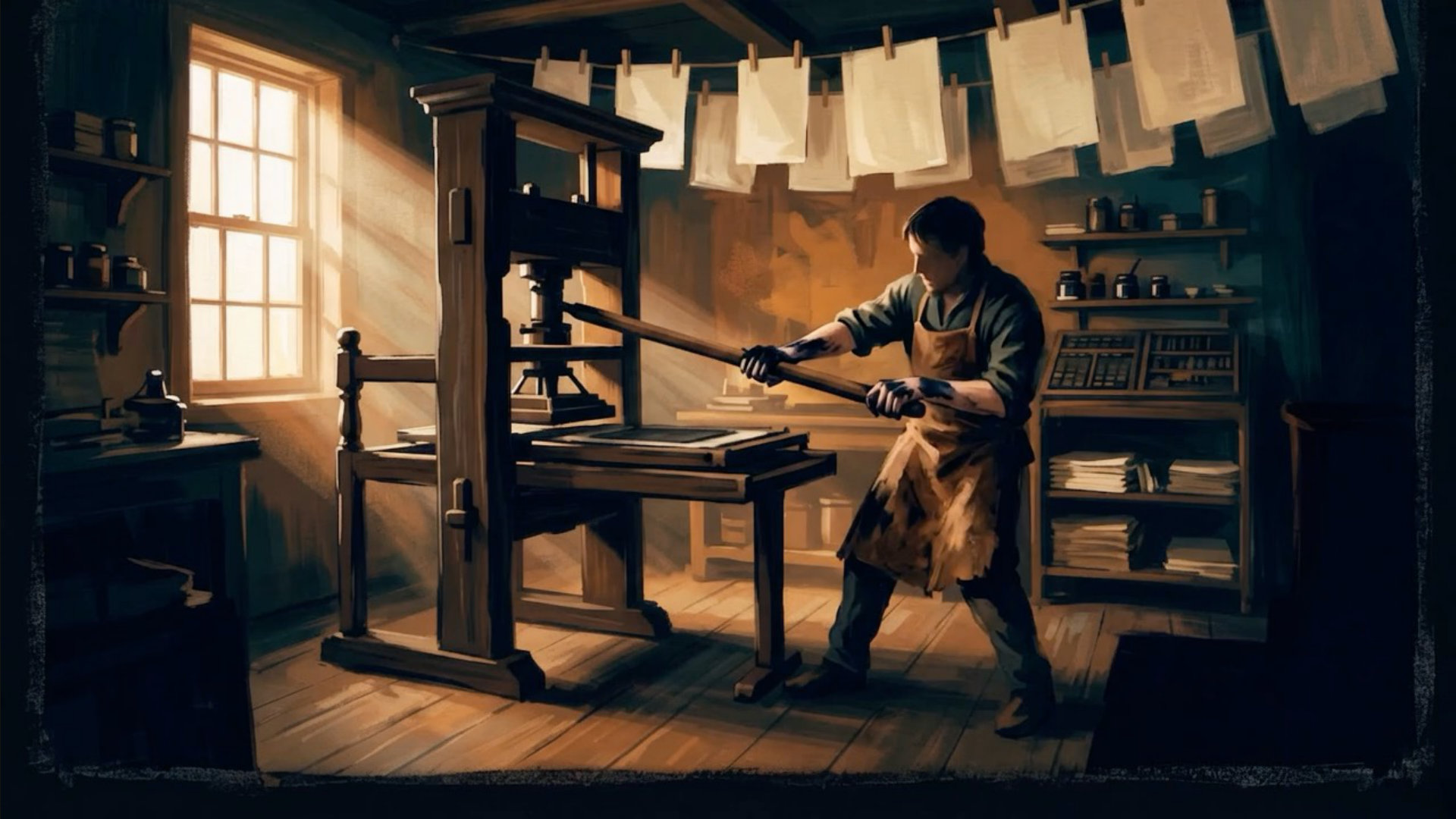
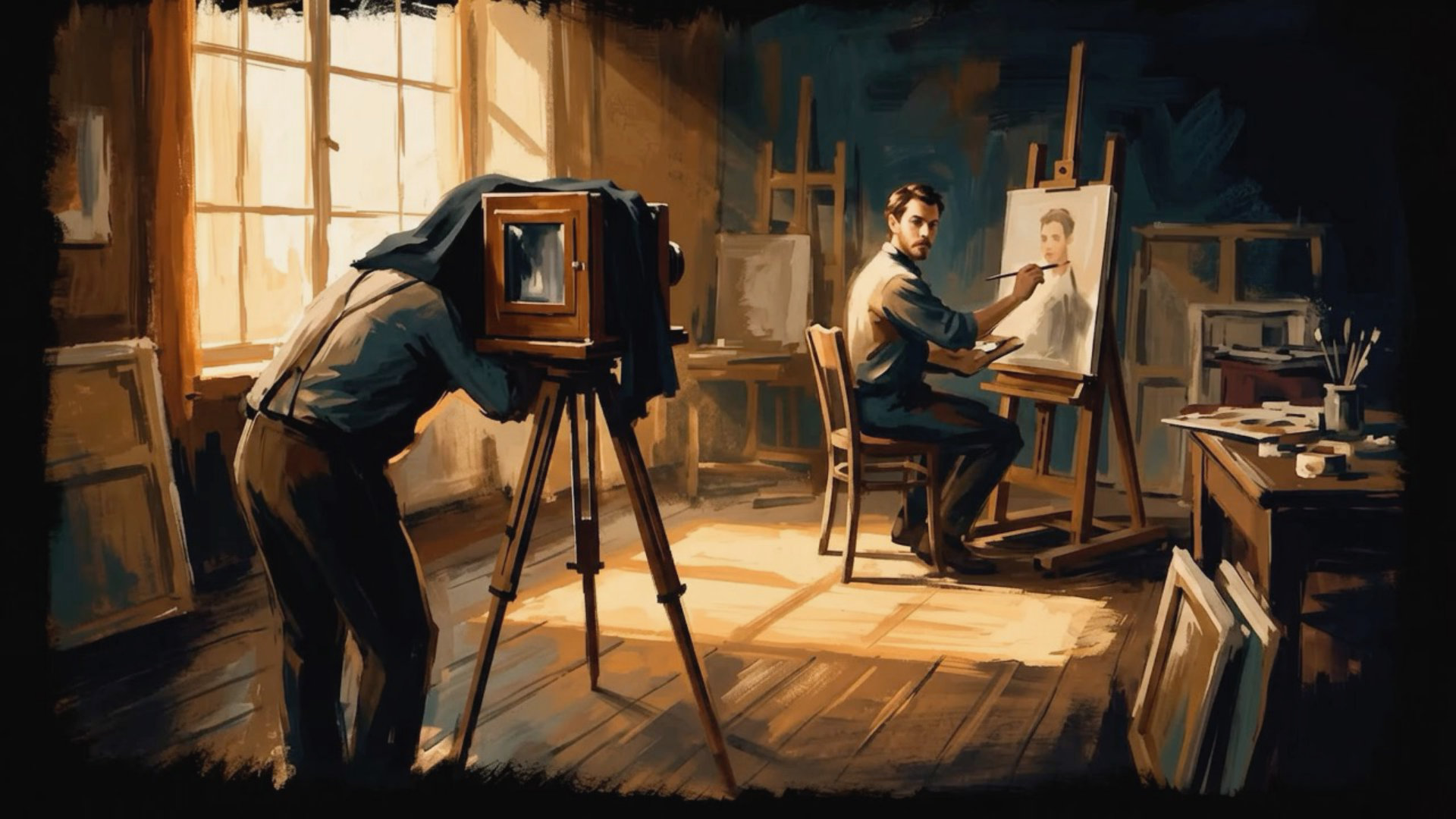
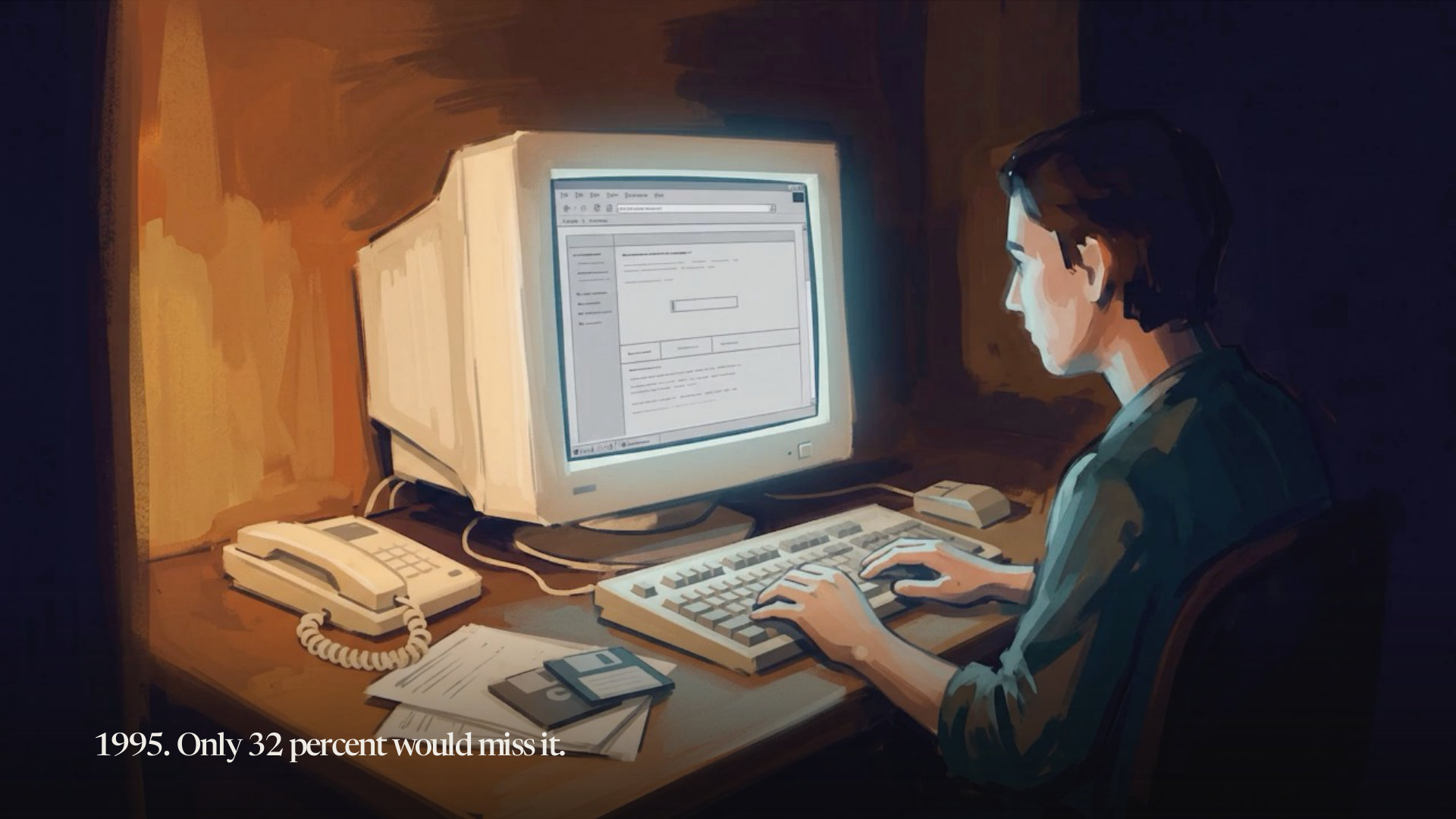
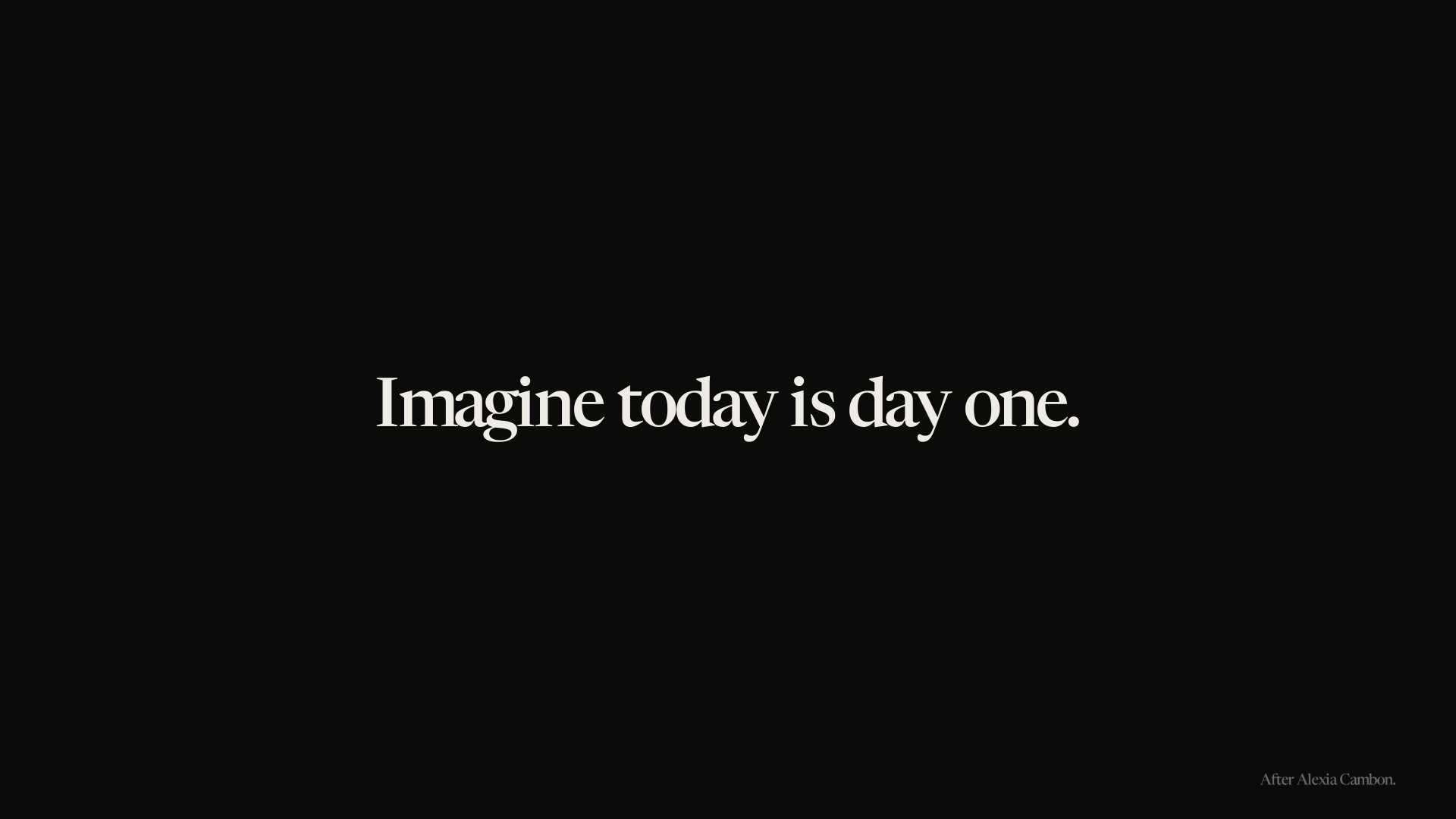
We've been here before. Every time humanity changed how information moves, from writing to printing to the internet, the job question was the first one asked and the least interesting one in hindsight. The printing press did cost scribes their jobs. Nobody tells that part of the story anymore, because the real story was everything else. I lean here on the work of Alexia Cambon, whose research on the history of information reshaped how I think about this moment: we're not adding a tool, we're changing what information does.
And this time there's a twist we've never had before: the new technology doesn't just move information. It acts. Agents plan, delegate, and do. That's not a faster printing press. That's a new participant.
So what do you do about it? Three things I teach my sons.
Not career advice. Not "learn to prompt." Three things for living well in the world they're actually getting.
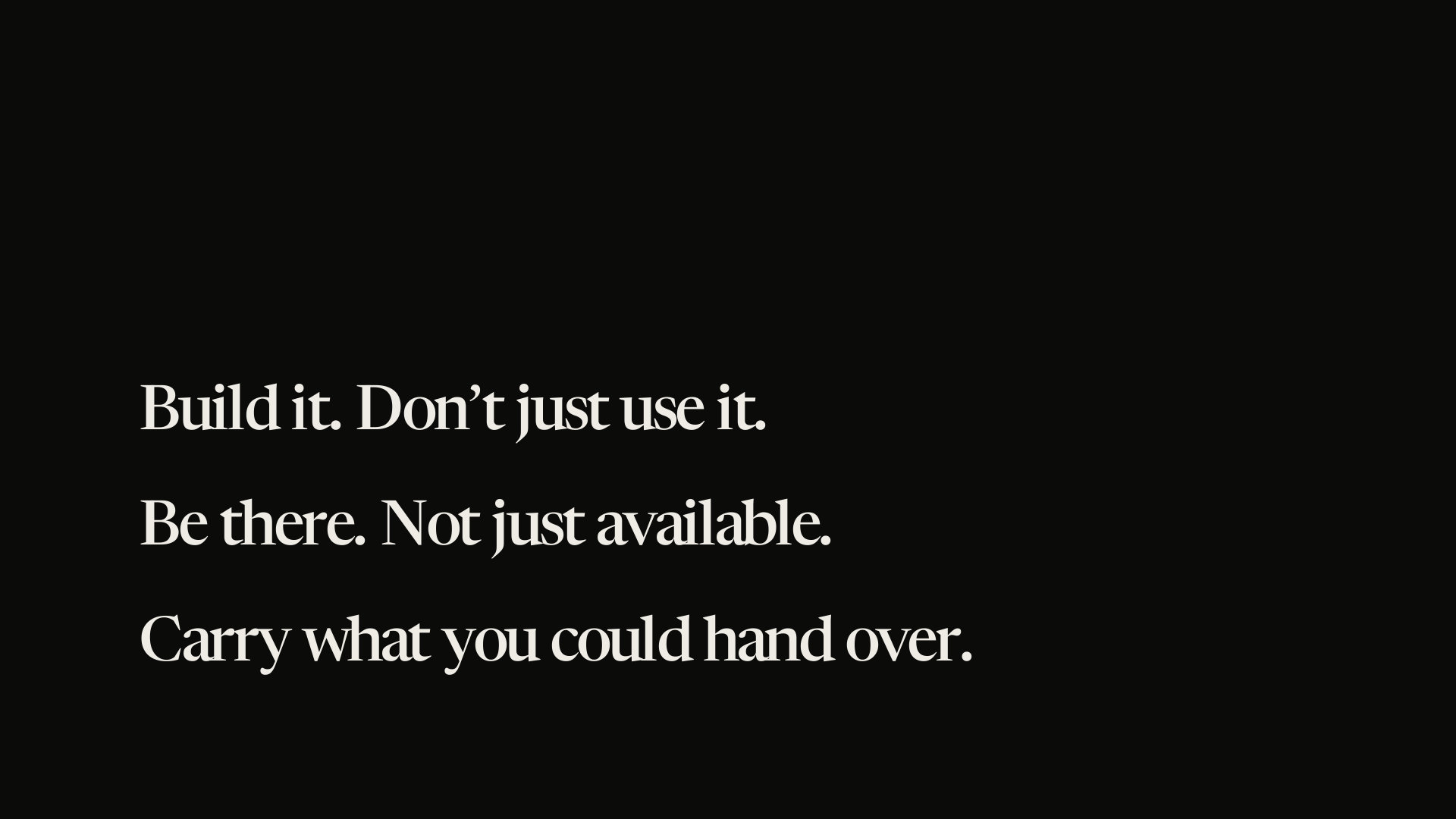
Build it. Don't just use it. Here's the split I actually worry about, and it's not employed versus unemployed. It's people who make things with AI versus people who are made by it: shaped by feeds, fed by recommendations, consuming a world other people generated. The difference is not talent. It's posture. My sons can use whatever they want, as long as they also build: a game, a tool, an agent, anything where they're the one deciding what exists. In a world where everything can be generated, the people who generate on purpose are the ones still steering.
Show up in person. Everything is easier from home now, and it will only get easier. Every answer, every lecture, every meeting, streamed and summarized. And yet I just watched a year of free conferences fill room after room, in 36 countries, while all the content was available online. People didn't come for information. They came for each other.
Convenience is a wonderful servant and a terrible architect of a life.
If you only go where it's easy, you end up nowhere, comfortably.
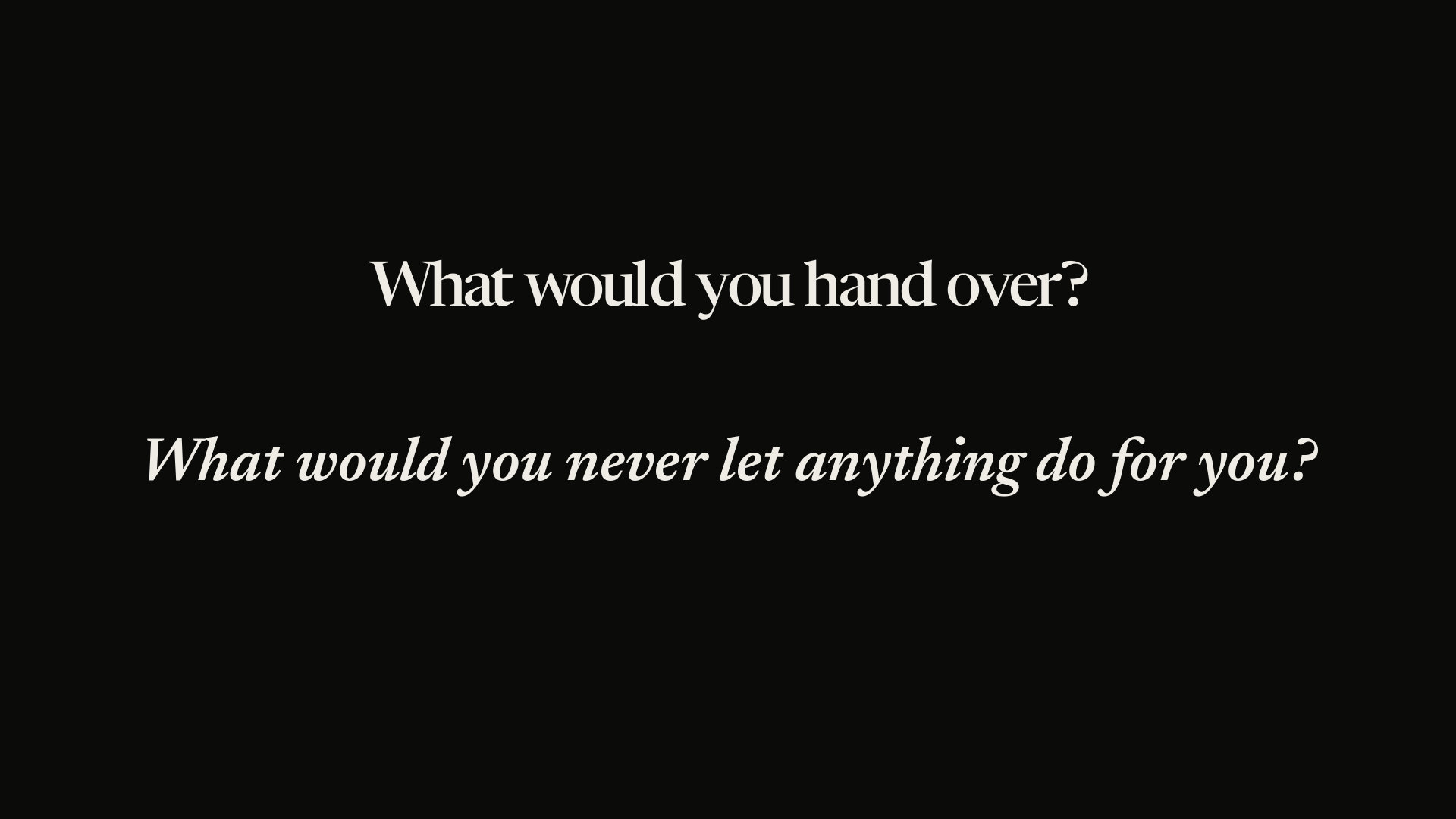
Carry weight, even when something else could carry it for you. This is the one people push back on, so let me say it plainly. Nobody sends a robot to the gym to lift their weights, because the lifting is the point. The same is true for thinking, writing, navigating a strange city, solving a hard problem. If you delegate every effort, you don't end up free. You end up weak, with excellent tools. So do hard things on purpose. Not all of them, I automate more than almost anyone I know. But choose your weights, and carry them yourself.
The race I almost lost to myself
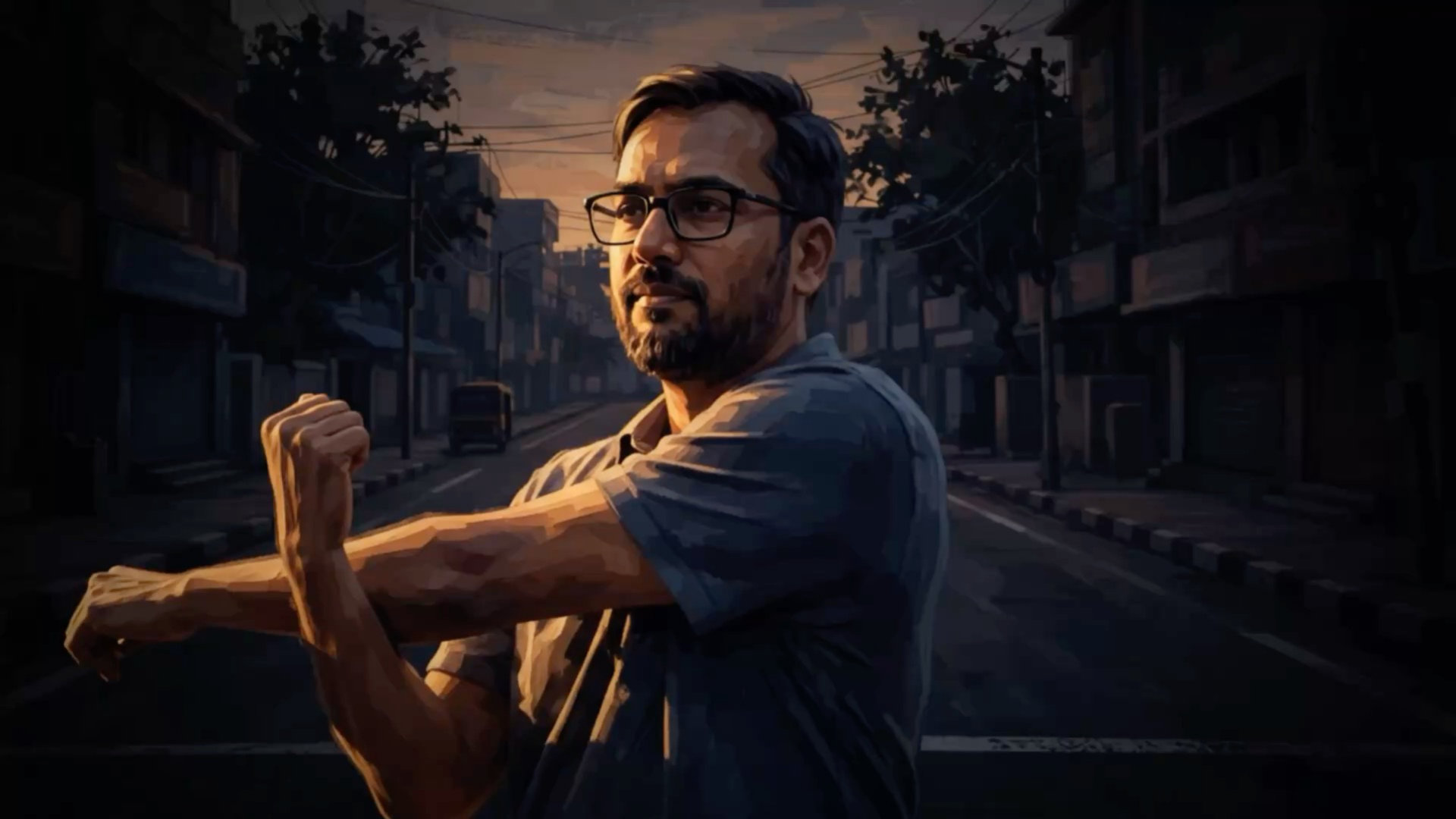
In the middle of the keynote I showed a short film, made entirely with AI, in which I race my own AI double through Bengaluru to the conference stage.
The double takes the perfect route. Of course it does: drone, optimal path, no distractions. I take the human route: an auto-rickshaw, a sprint through a flower market, a stop for butter chicken because come on, and the last stretch on an old bicycle with a kid on the back.
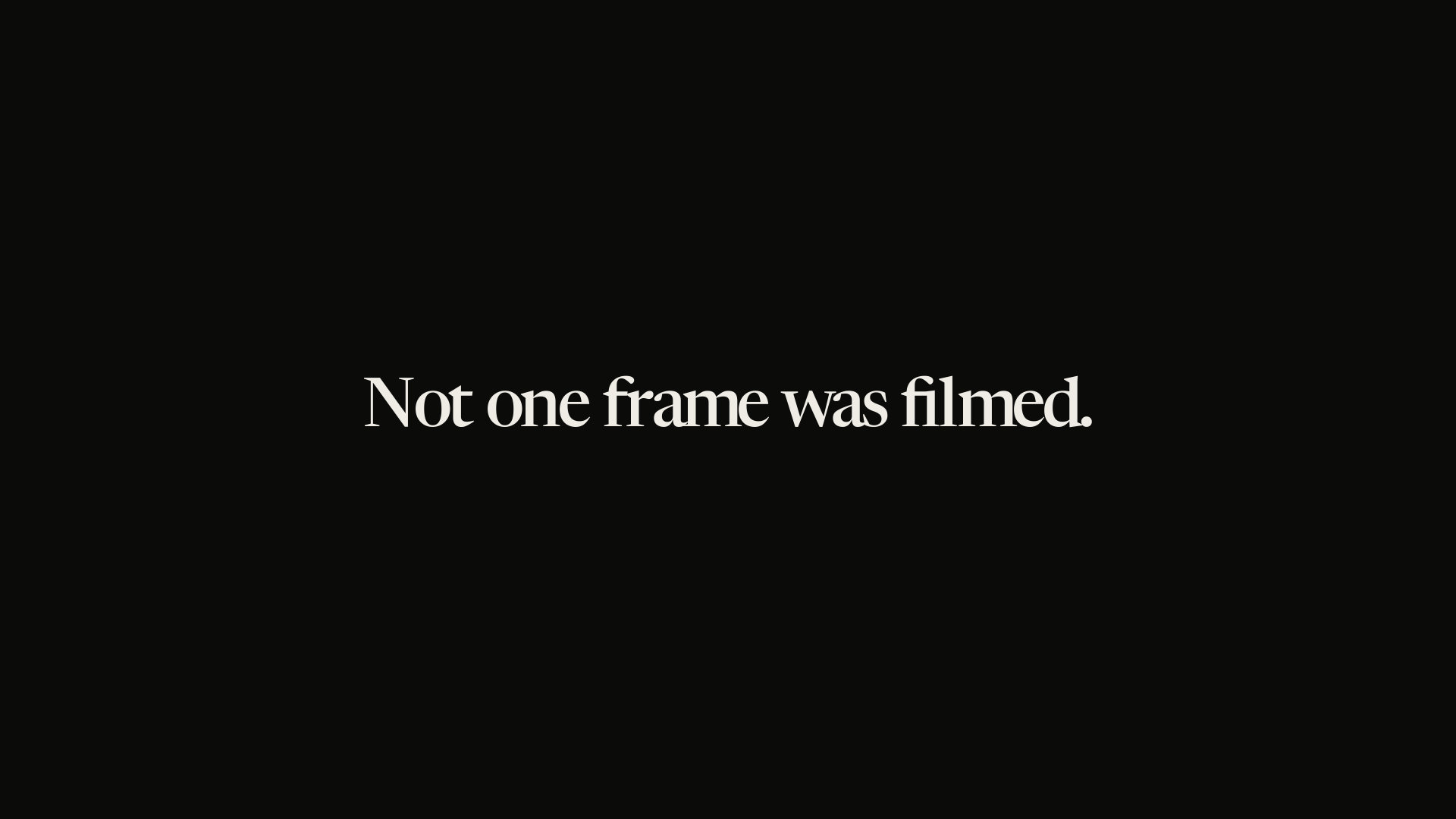
I win. Barely, messily, through the doors in a puddle splash. And then the title card: everything you just saw was made by AI. Except the winner.
That's the whole keynote in one image. The perfect route misses the flower market. Optimization is a great tool and a terrible destination. The AI double got there efficiently. I got there with a story, a full stomach, and a kid on my bicycle. Which one of us actually made the journey?
What I actually think
The tech industry, my industry, is spending this historic moment optimizing slide decks about productivity gains. We're measuring a civilizational shift in saved minutes. And every hour we spend arguing about whether AI takes jobs is an hour we don't spend on the question that will actually be graded: what world are we building with it?
Because that world is being decided right now, not by AI, but by ten thousand small human choices. Whether we build or only consume. Whether we show up or stay comfortable. Whether we keep carrying weight or quietly put everything down.
My sons will not grade me on my productivity gains. They'll grade the world. So will yours.
That's the question. Everything else is a panel discussion.
From the keynote
Explore the slides
What World Are They Getting?
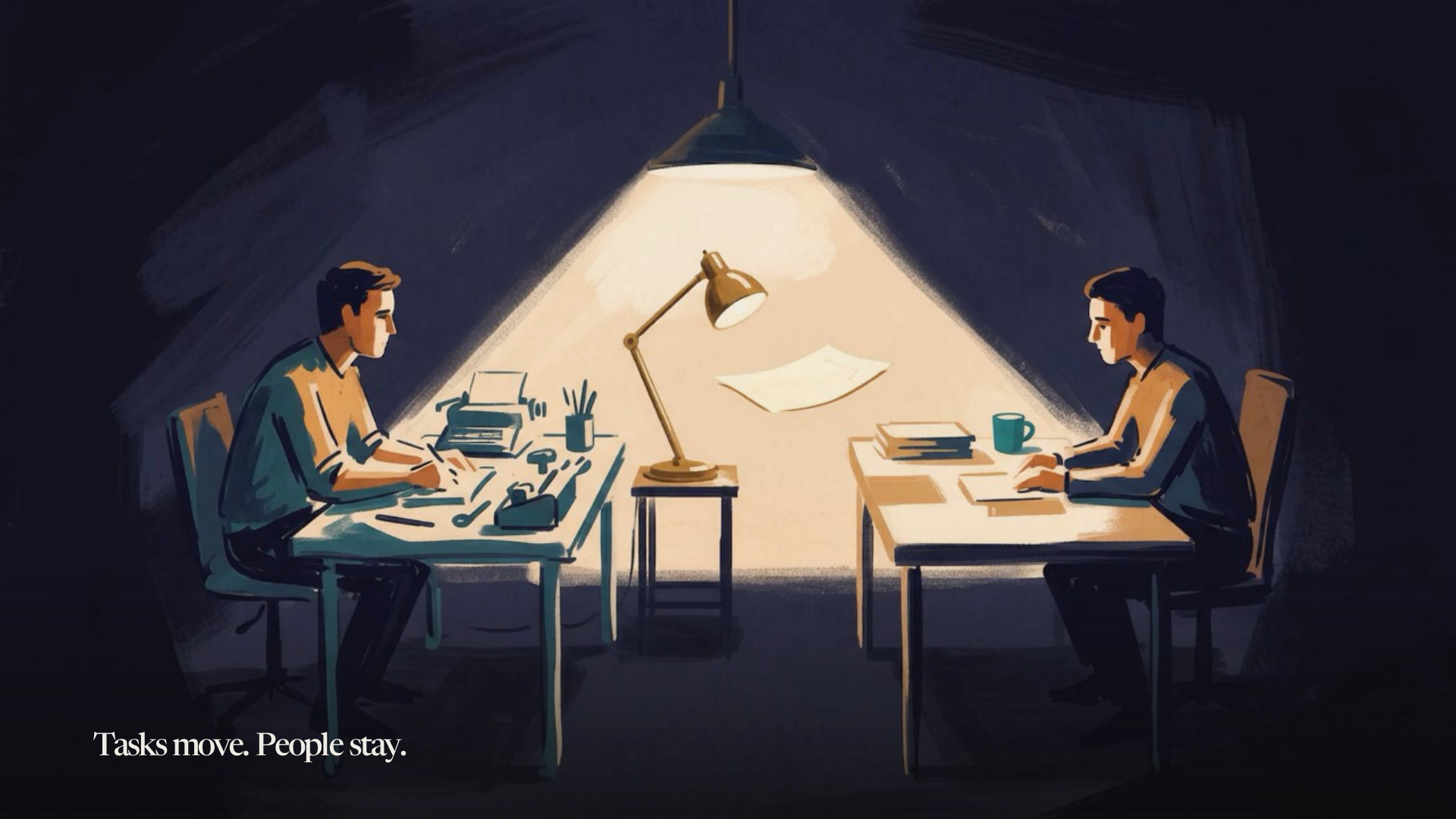
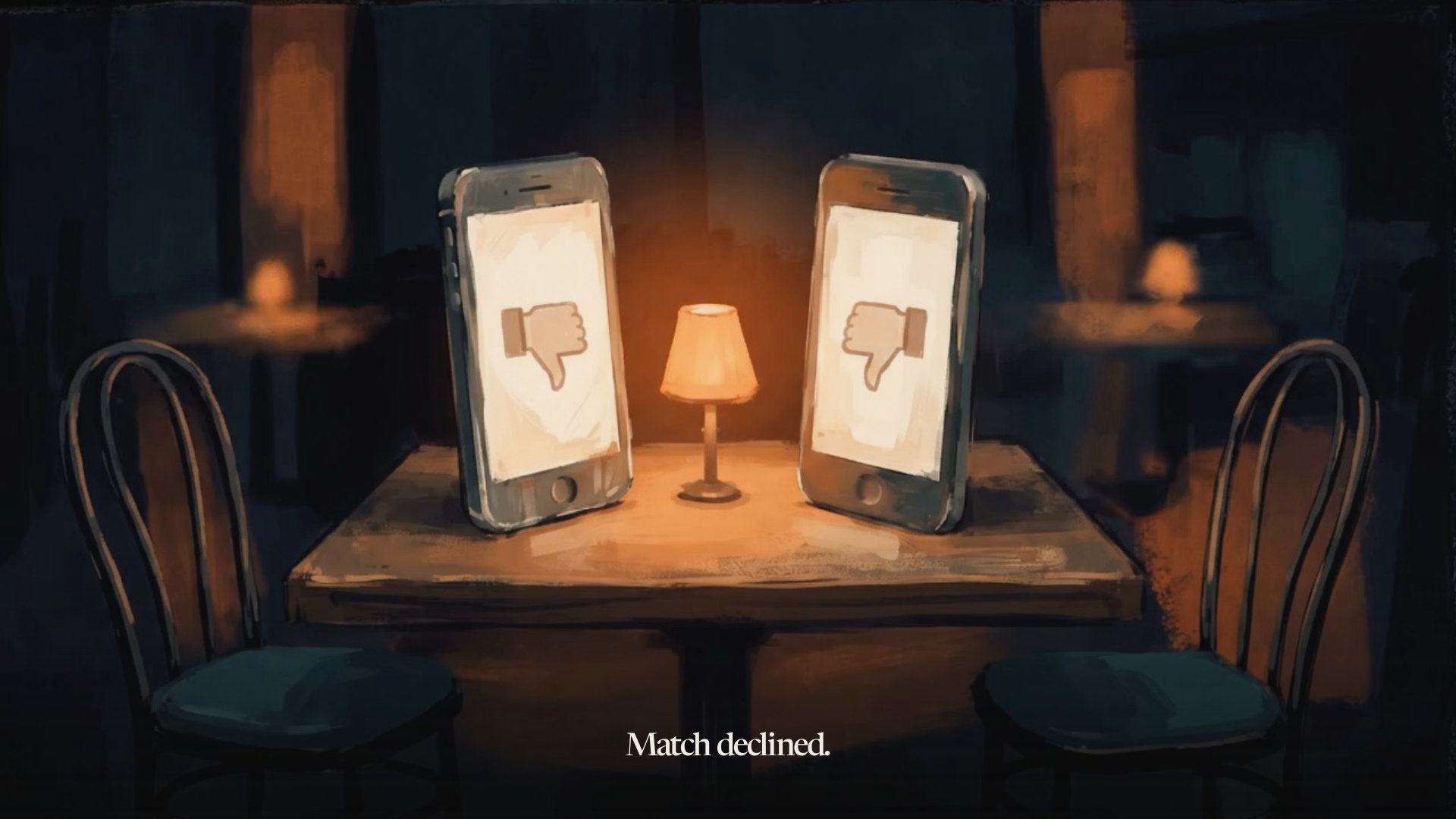
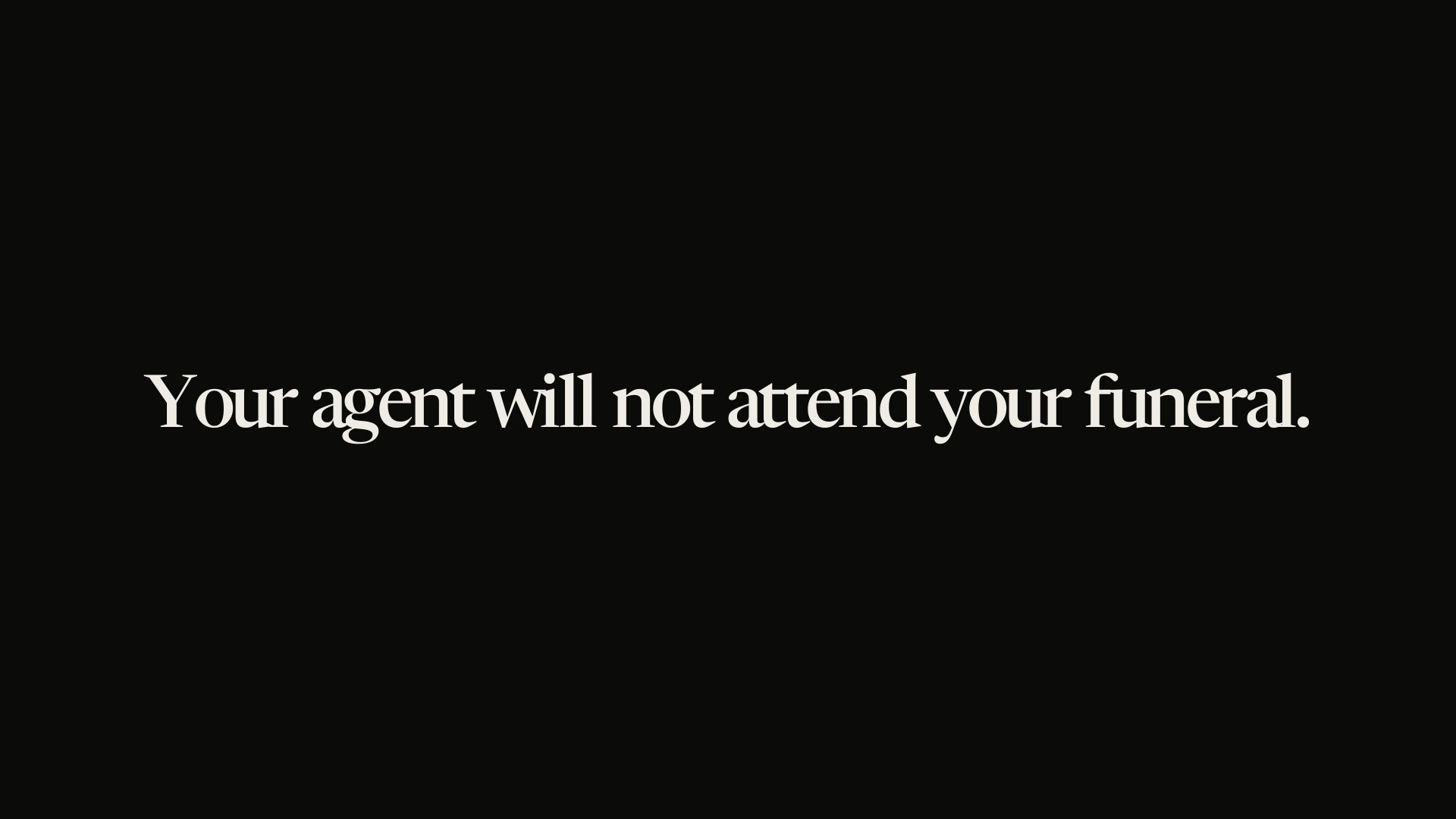
Browse the slides from my AgentCon keynote in Bengaluru. These are still images of the slides; animations and the keynote film are not included.


Pass it on
Share this article
Read next